

The Geofencing Revolution: How Smart Brands Win with Location
Companies using geofencing are revolutionizing customer connections by turning physical proximity into digital opportunity. From coffee giants to local pizzerias, businesses are finding that the right message in the right location can convert passersby into loyal customers.
Top companies successfully using geofencing include:
- Starbucks – Sends happy hour deals and personalized offers to nearby customers
- Burger King – Generated 1.5+ million app downloads with their “Whopper Detour” campaign targeting McDonald’s locations
- Walmart – Streamlines curbside pickup by notifying employees when customers arrive
- Dunkin’ – Created branded Snapchat filters that only work near store locations
- Uber – Targets users at airports and hotels with driver availability notifications
- Taco Bell – Achieved a 6% sales increase and 20% higher mobile order values through geofencing
- H&M – Reached 2.3% click-through rates by targeting customers near major city stores
- Sephora – Uses companion apps to provide personalized recommendations when customers enter stores
The numbers tell the story: the global geofencing market exploded from $1.9 billion in 2022 to a projected $12.2 billion by 2032. With 92% of US smartphones ready for geofencing and campaigns delivering double the industry average click-through rates, location-based marketing has moved from “nice to have” to “must have.”
The technology works by creating virtual boundaries around specific locations. When someone with a smartphone enters these invisible fences, businesses can trigger targeted ads, push notifications, or special offers. It’s like having a digital sales associate who knows exactly when potential customers are nearby.
At Fetch and Funnel, we’ve helped countless companies using geofencing achieve remarkable growth by combining location intelligence with conversion-focused campaigns. Let’s explore how the world’s most innovative brands are using this technology to drive real business results.
What is Geofencing and How Does It Power Modern Marketing?
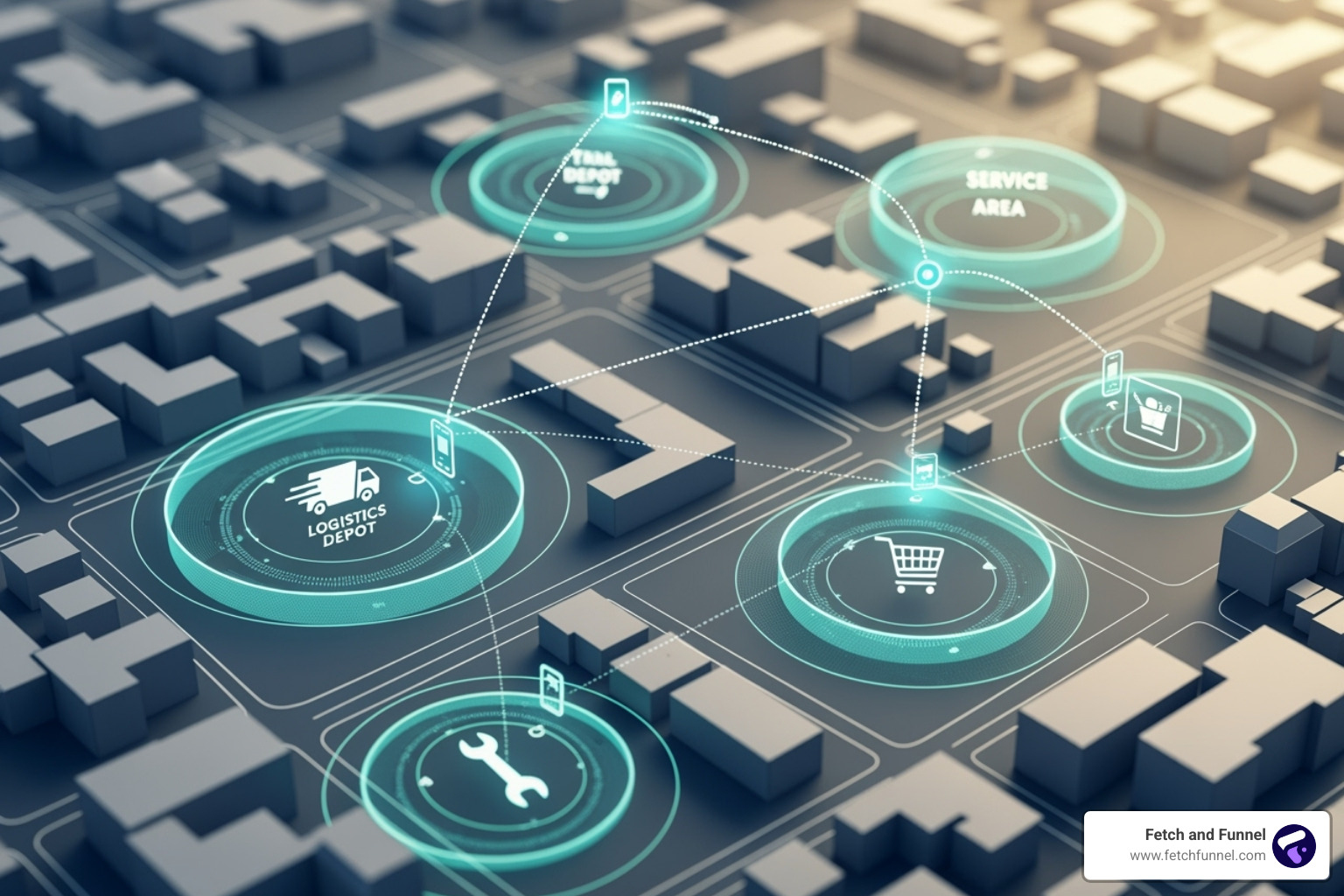
Imagine an invisible fence around your favorite coffee shop. When you walk near it, your phone can send you a message about today’s special. That’s geofencing in action, and it’s changing how companies using geofencing connect with customers.
Geofencing creates a virtual boundary around a real-world location using GPS technology. When a smartphone user crosses this line, it triggers an action, like a push notification for a 20% discount or data collection on foot traffic. The magic happens when businesses reach customers at the perfect moment—not hoping they’ll remember the brand later, but engaging them as they walk past the store.
Companies using geofencing turn mobile devices into powerful marketing tools. With user opt-in via location services, businesses deliver helpful messages and generate valuable first-party data to refine future campaigns. The technology bridges the gap between online and offline experiences, providing relevant information when it matters most. This precision leads to increased customer engagement and higher ROI.
Want to dive deeper into the mechanics? Check out our comprehensive guide on What is Geofencing Advertising.
The Core Benefits of Geofencing
Brands are adopting geofencing because it delivers real results that impact the bottom line.
- Personalization: Tailor messages to a user’s exact location. A notification for a usual coffee order as someone walks to work isn’t just an ad—it’s a helpful gesture that builds loyalty.
- Timeliness: Geofencing is like handing a menu to someone who is already hungry and standing outside your restaurant, eliminating the guesswork of traditional marketing.
- Cost-Effectiveness: Target only people who can actually visit your location today. This focused approach means every dollar works harder and delivers measurable results.
- Improved Customer Insights: Geofencing campaigns reveal which locations drive the most foot traffic, how long people stay, and which messages convert best, providing data for smarter future campaigns.
- Reduced Ad Spend: When you know exactly who to target and when, waste is minimized. Every notification has a purpose, and every campaign can show a clear ROI.
Learn more about strategic implementation in our guide to Geofencing in Location-Based Marketing.
The Role of Mobile Technology
None of this would be possible without the smartphone. Today’s mobile devices are location-aware computers that people carry everywhere.
- Smartphones: Equipped with GPS, Wi-Fi, and cellular radios, they can pinpoint location within feet. With 92% of US smartphones supporting this technology, the infrastructure is ready.
- Location Services: User consent is key. When people opt-in to share their location, they express trust and openness to relevant communications, building a stronger relationship from the start.
- Mobile Apps: These are the primary delivery vehicle for geofencing. With an app installed and location services enabled, you can send timely push notifications directly to a user’s lock screen.
- In-App Messaging: Customize the app experience based on location. A retail app can show different products or offers when a customer is in-store versus at home.
The beauty of mobile technology is its seamless integration into daily life. A geofencing message feels like helpful information arriving exactly when needed, not like traditional advertising.
Curious about how these mobile ads actually appear to users? Explore our detailed breakdown of Geofencing Mobile Ads.
10+ Brands Using Geofencing to Dominate Their Markets
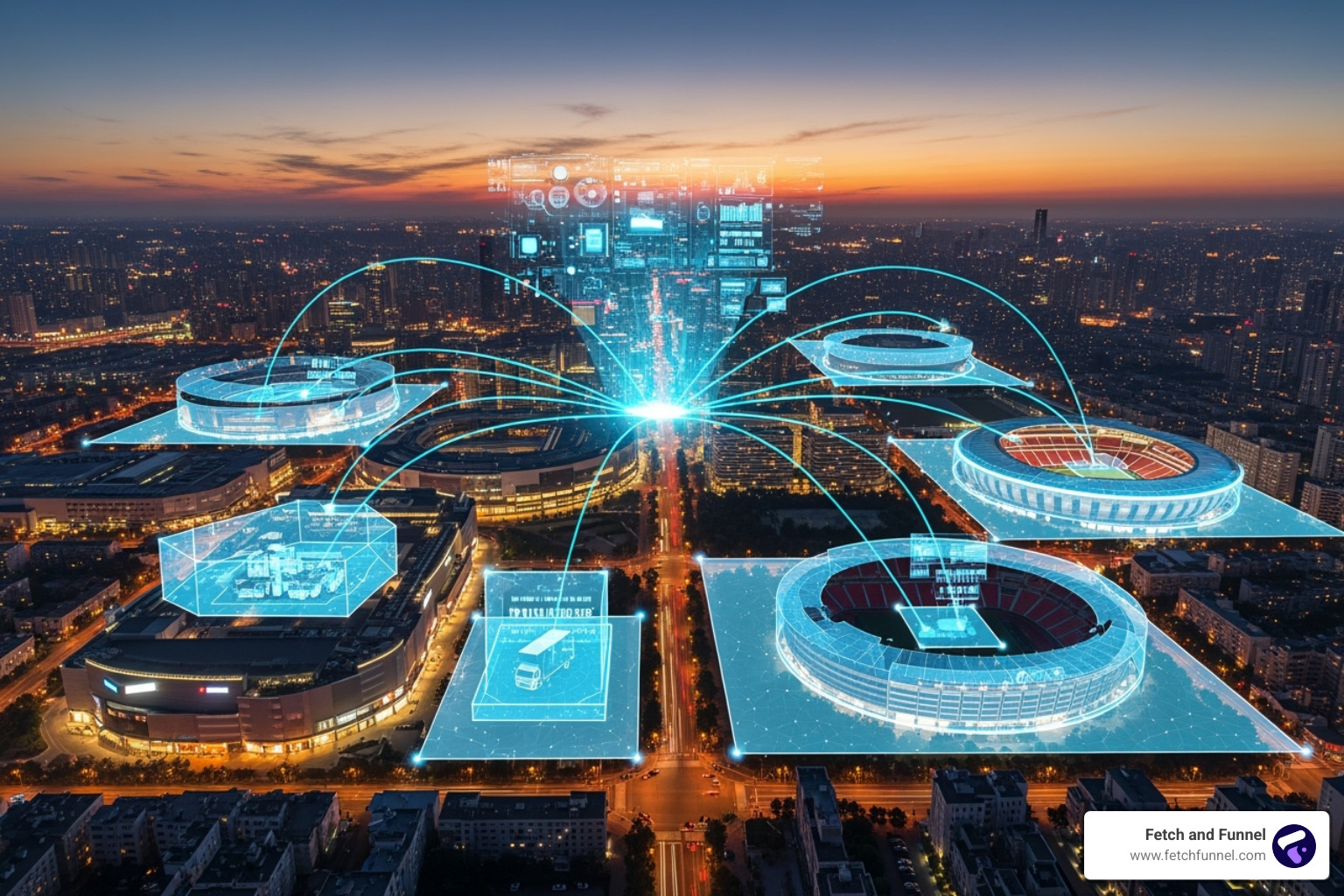
The most successful companies using geofencing recognized early that the future of marketing lies in meeting customers where they are, with what they need, at the right moment. These brands have transformed location data into their secret weapon for driving loyalty and efficiency.
What makes these success stories compelling is how they’ve reimagined the customer experience by bridging the digital and physical worlds. The results speak for themselves in our collection of Geofencing Case Studies, and you can find further examples from other industry leaders like Simpl.fi.
Quick-Service Restaurants: Innovative Campaigns
The fast-food industry is a proving ground for geofencing. When someone is hungry and on the go, timing is everything. The window between “I’m hungry” and “I’m ordering” can be mere minutes.
Burger King’s “Whopper Detour” campaign is the gold standard of creative geofencing. By targeting McDonald’s locations, they offered users a Whopper for one penny if they detoured to a nearby Burger King. This brilliant geo-conquesting strategy generated over 1.5 million app downloads by catching customers at the exact moment of decision.
Taco Bell focused on enhancing the customer experience. Their geofencing efforts led to a 6% increase in sales. More impressively, customers who ordered via their mobile app after receiving a geofenced notification spent 20% more than in-store customers. This shows how location-based marketing can drive both the quantity and quality of sales, as detailed in this case study on app-driven sales.
Coffee and Retail Leaders: Starbucks & Beauty Retailers
Coffee shops and beauty retailers use geofencing to nurture ongoing relationships. They understand their customers are building daily habits and lifestyle connections.
Starbucks has perfected geofencing with its mobile app. Walk past a location, and you might get a notification for a Happy Hour deal or a personalized offer. The app remembers your preferences and visit patterns, turning location-based marketing into location-improved personalization. Their geofence-powered app is a blueprint for modern loyalty programs.
Beauty retailers like Sephora use geofencing to improve the in-store experience. Enter a store, and their companion app provides personalized product recommendations, relevant promotions, and reminders about items in your online cart. It’s like having a personal beauty consultant in your pocket.
Big-Box and Travel Innovators: Walmart & Hotel Booking Apps
Some of the best geofencing innovations happen behind the scenes, solving operational challenges and improving customer experiences.
Walmart’s curbside pickup service uses location technology to streamline the process. When your car enters the geofenced parking area, employees are automatically notified of your arrival. This BOPIS (Buy Online, Pickup In-Store) optimization has dramatically reduced wait times, turning a clunky process into a competitive advantage.
Hotel booking apps like HotelTonight have revolutionized last-minute travel. As you walk through a city, the app detects your location and sends notifications about available rooms nearby, often at a discount. The HotelTonight app turns spontaneous travel from stressful to exciting.
Creative Campaigns: National and Local Businesses
Creativity in geofencing knows no budget. The key is understanding your audience and finding unexpected ways to delight them.
Dunkin’ partnered with Snapchat for National Donut Day, sponsoring a branded face filter that only worked near a Dunkin’ location. This turned a free donut into a shareable social media moment, amplifying word-of-mouth marketing through brand engagement.
But you don’t need a massive marketing budget. A local business, Greek’s Pizzeria, proved that small operations can compete by using geofencing strategically. Their targeted campaign brought 269 new customers through their doors in the first month. This local marketing success story shows that a great idea matters more than a big budget.
Beyond Retail: Innovative Use Cases
The most exciting companies using geofencing are often thinking outside the traditional marketing box.
Rideshare apps like Uber have made geofencing essential. At busy airports, the app guides you to a designated pickup zone and provides real-time wait estimates based on demand in that specific area, managing complex logistics.
Healthcare recruitment is another creative application. Hospitals use geofencing to target qualified professionals at medical conferences or near other healthcare facilities, delivering targeted recruitment messages to people who might be open to new opportunities.
The versatility extends to sectors like Geofencing Real Estate, where agents target potential buyers visiting open houses, identifying them as highly qualified leads.
How Your Business Can Implement a Winning Geofencing Strategy
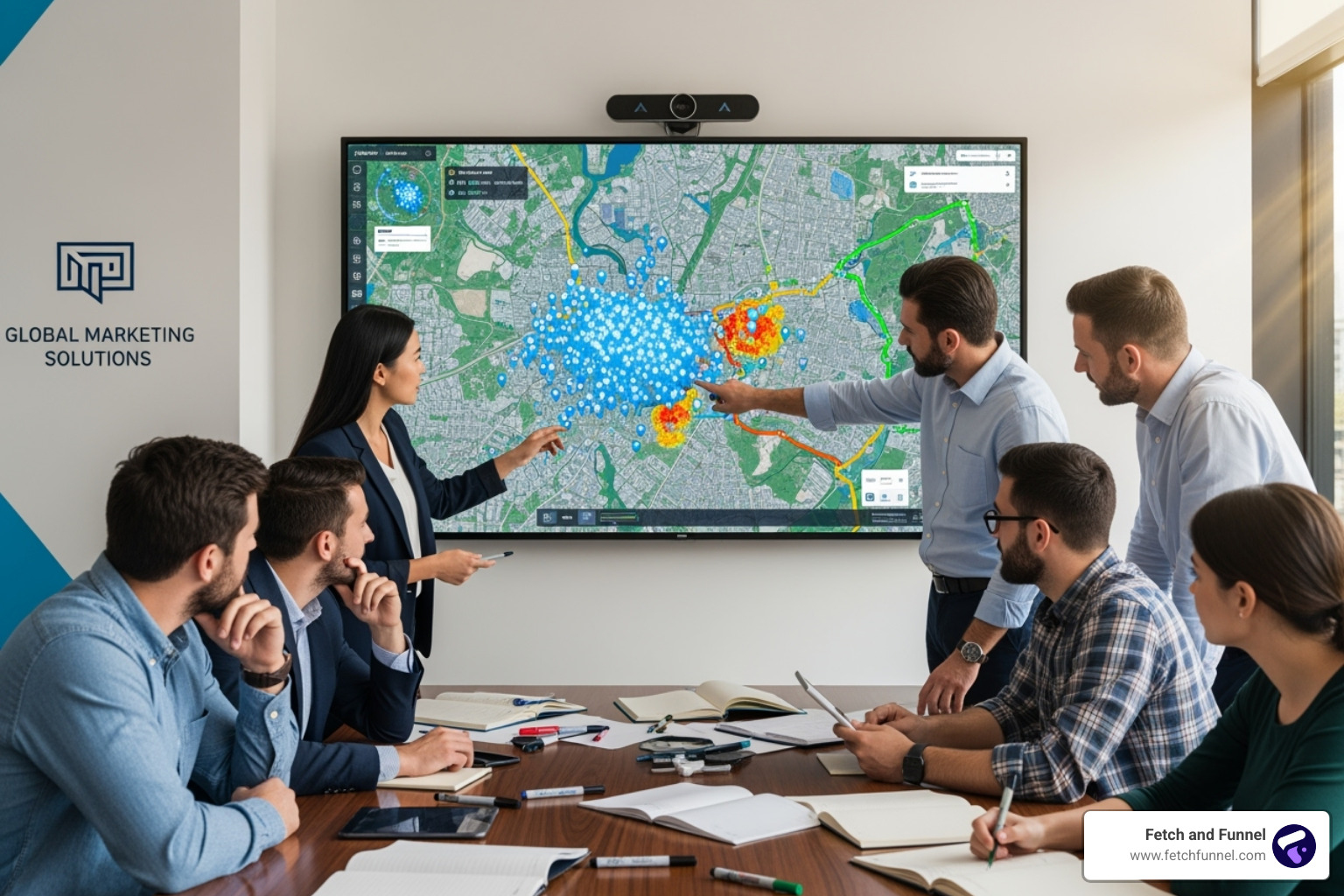
Ready to join the ranks of successful companies using geofencing? Implementing a winning strategy requires smart planning, clear goals, and the right approach to audience segmentation. Let’s break down how you can get started.
The foundation of any successful campaign is understanding what you want to achieve and who you’re trying to reach. For a step-by-step walkthrough, check out our guide on How to Set Up Geofencing Marketing.
Best Practices for High-Impact Campaigns
Think of geofencing like setting a digital fishing net. You need the right spot, time, and bait. Here’s how to approach your campaigns:
- Define clear objectives. Before drawing any virtual boundaries, know your goal. Are you driving foot traffic, boosting app downloads, or recruiting talent? Clear goals are essential for shaping your campaign and measuring success.
- Keep fences small. A geofence the size of a state won’t help. The sweet spot is usually a 4-5 minute walk or drive to your location. Think about how people actually move through your area.
- Set fences where your audience is. Go beyond your storefront. Place geofences around competitor locations, local events, shopping centers, or neighborhoods where your ideal customers live and work.
- Craft compelling offers. A generic “Visit us!” gets ignored. An irresistible, time-sensitive offer like “Free coffee upgrade – expires in 30 minutes” gets action.
- Test and optimize relentlessly. Successful campaigns are constantly refined. Monitor open rates, click-through rates, and conversions. If something isn’t working, adjust your fence size, messaging, or offers.
These principles are the backbone of effective Geofence Marketing Campaigns.
Targeting Specific Customer Segments
Geofencing becomes truly powerful when you combine where someone is with who they are.
- Hyperlocal and demographic targeting: Start with a location, then layer in demographic data. A luxury retailer could target high-income professionals who enter geofences around upscale shopping districts during lunch.
- Behavioral data: Analyze past location patterns and online behavior to identify people who have visited similar businesses or shown interest in related products.
- Lookalike audiences: Once you identify a high-converting segment, find similar people in other areas to scale your reach efficiently.
- Addressable geofencing: This cutting-edge technique targets specific households or businesses, then delivers ads to their mobile devices when they enter your geofenced areas. It’s powerful for reaching known prospects with personalized messages.
This layered approach ensures your campaigns reach the right person, at the right place, at the right time. Learn more about achieving this precision with our guides to Geofencing Ad Targeting and Addressable Geo-fencing, or explore how platforms like GroundTruth implement similar targeting.
Key Challenges and Considerations
Geofencing comes with challenges that require careful navigation.
- User privacy: People are protective of their location data. Be transparent about data collection and ensure compliance with regulations like GDPR and CCPA. Make opting in feel valuable, not creepy.
- Location accuracy: GPS signals can be tricky in dense urban areas. Understand these limitations to set realistic expectations and design effective geofences.
- Battery drain: Modern platforms are efficient, but it’s still a consideration. Ensure your campaigns don’t negatively impact the user experience.
- Message relevance: Irrelevant or excessive notifications lead to notification fatigue, causing users to disable alerts or delete your app. Quality always beats quantity.
The key is respecting your audience while delivering genuine value. Get this balance right, and geofencing becomes a powerful tool in your marketing arsenal.
Frequently Asked Questions About Geofencing
Let’s tackle the questions we hear most often from business owners looking to harness this powerful technology.
How does geofencing advertising work?
Think of it as an invisible fence around a location you choose. Using GPS, Wi-Fi, or RFID technology, we draw virtual boundaries around places like your store or a competitor’s location.
When someone with a smartphone enters that fence, their device is recognized. This triggers a targeted action, like a push notification with an offer or a banner ad in their social media feed. The key is user consent—people must have location services enabled and agree to receive notifications. It’s not about watching people; it’s about customers choosing to engage with brands they like.
For a deeper dive into the technical details, check out How Does Geofencing Advertising Work.
How can geofencing improve my business’s ROI?
Geofencing improves ROI by eliminating waste and targeting interested customers at the perfect moment.
- It reduces wasted ad spend. Instead of advertising to a broad audience, you target people who can actually visit your business. H&M achieved a 2.3% click-through rate—double the industry average—by targeting shoppers near their stores.
- It increases conversions. Taco Bell saw a 6% sales jump and a 20% increase in mobile order value with its geofencing campaigns. Timely offers drive action.
- It drives real foot traffic. A local business, Greek’s Pizzeria, brought in 269 new customers in its first month of geofencing. These are real people, not just clicks.
- It provides clear data. Geofencing platforms offer analytics on views, clicks, and store visits, allowing you to fine-tune campaigns and prove ROI.
- It deepens customer relationships. Consistently delivering relevant messages builds trust and makes you the brand that knows what customers need, when they need it.
What is geo-conquesting?
Geo-conquesting is geofencing’s competitive cousin. Instead of fencing your own business, you set up virtual fences around your competitors’ locations.
The strategy is simple: catch potential customers when they’re at your competitor’s front door and give them a compelling reason to choose you instead.
Burger King’s “Whopper Detour” campaign is the classic example. They geofenced McDonald’s restaurants, offering anyone who opened the Burger King app there a Whopper for just one penny. The results were staggering: over 1.5 million app downloads and massive media attention.
This isn’t about being sneaky; it’s about smart timing. Reaching customers who are already in a buying mindset makes your marketing dollars work harder. It’s an incredibly effective way for companies using geofencing to grow their market share.
Learn more about this competitive strategy in our guide to geo-conquesting explained.
Conclusion: Start Your Geofencing Journey
The evidence is clear: companies using geofencing are tapping into a powerful technology that changes how businesses connect with customers. From Starbucks creating personalized experiences to Walmart streamlining operations, location-based marketing delivers real, measurable results.
Geofencing’s compelling versatility allows it to adapt to any business need. Whether you’re a multinational corporation or a local shop, it’s effective for driving sales, building loyalty, improving efficiency, or recruiting talent.
The magic happens when digital marketing meets the physical world. Reaching customers at the exact moment they’re most likely to act—when they’re walking past your store or visiting a competitor—is the power of geofencing, and it’s boosting engagement and sales for businesses everywhere.
We’ve seen it work for any industry: healthcare, restaurants, hotels, and retail. The applications are limited only by your creativity.
As location-based technology evolves, we believe we’re just scratching the surface of what’s possible. This is the future of location-based marketing, where every interaction is more relevant, timely, and valuable for both businesses and customers.
At Fetch and Funnel, we’ve helped countless businesses harness the power of geofencing through our data-driven approach. Our team understands that success isn’t just about technology—it’s about creating meaningful connections that improve customer experiences while driving measurable ROI.
When choosing a partner, it’s wise to evaluate different options. You can learn how our geofencing services can help your business grow or compare offerings from other specialists like Reveal Mobile.


