

Why Buyer Journey Optimization is Critical for Business Growth
Buyer journey optimization is the strategic process of refining each touchpoint a prospect has with your brand, from initial awareness to purchase and beyond. At its core, it’s about meeting customers where they are with the right message at the right time.
Quick Answer for Buyer Journey Optimization:
- Map your customer’s path – Identify every touchpoint from awareness to decision
- Create stage-specific content – Develop educational, comparative, and conversion-focused materials
- Remove friction points – Streamline processes and eliminate barriers to purchase
- Personalize experiences – Use data to deliver relevant messaging to specific personas
- Measure and iterate – Track metrics like conversion rates and continuously improve
Modern buyers don’t follow a straight line. Research shows 96% of website traffic occurs before decision-making begins, and in B2B, people spend up to 90% of their decision journey educating themselves. This means businesses must be helpful guides, not just traditional salespeople.
Companies that excel at buyer journey optimization see improved conversion rates, lower customer acquisition costs, and higher lifetime value. When buyers feel understood, they’re more likely to choose your solution and become loyal advocates.
The buyer’s journey is nothing more than a series of questions that must be answered – and your job is to provide those answers at precisely the right moment. This requires a deep understanding of your customers’ mindset and pain points at each stage.
I’m Samir ElKamouny, founder of Fetch and Funnel. I’ve helped scale countless brands through strategic buyer journey optimization. My experience shows that winning businesses are those that optimize for their customer’s journey, not just their own sales process.
Understanding the Buyer Journey Framework
The buyer journey is the winding roadmap your customers follow to solve a problem. They might take detours, circle back, or pause along the way.
Buyer journey optimization starts with understanding that prospects are real people with genuine problems, looking for answers, not sales pitches. This isn’t about pushing a purchase—it’s about building trust by consistently showing up with valuable information. When you align your marketing with what customers need at each stage, you become a trusted advisor.
Understanding the buyer’s journey allows you to make data-driven decisions and maximize customer lifetime value. Supported customers don’t just buy once—they become loyal advocates. This customer-centric approach transforms everything from your website to your email campaigns. For a deeper look, check out our insights on customer journey and touchpoints.
What are the Stages of the Buyer Journey?
Every buyer journey follows a predictable pattern, though the timeline can vary. Major marketing platforms like HubSpot offer a similar framework, which has become an industry standard.
Awareness Stage (Problem/Need Recognition) is where your potential customer realizes they have a problem. They might not know solutions exist yet, but they’re aware of a need.
Consideration Stage (Solution Exploration) kicks in once the problem is clear. They actively hunt for solutions, reading blogs, watching videos, and comparing different approaches—not specific brands yet.
Decision Stage (Supplier Selection) is the final stretch. They know what kind of solution they need and are now choosing between specific providers by reading reviews, requesting demos, and comparing pricing.
Post-Purchase Stage (Loyalty & Advocacy) is where the real magic happens. This stage includes onboarding, support, and engagement that turns customers into your biggest champions.
Buyer Journey vs. Customer Journey
Many businesses miss this key distinction.
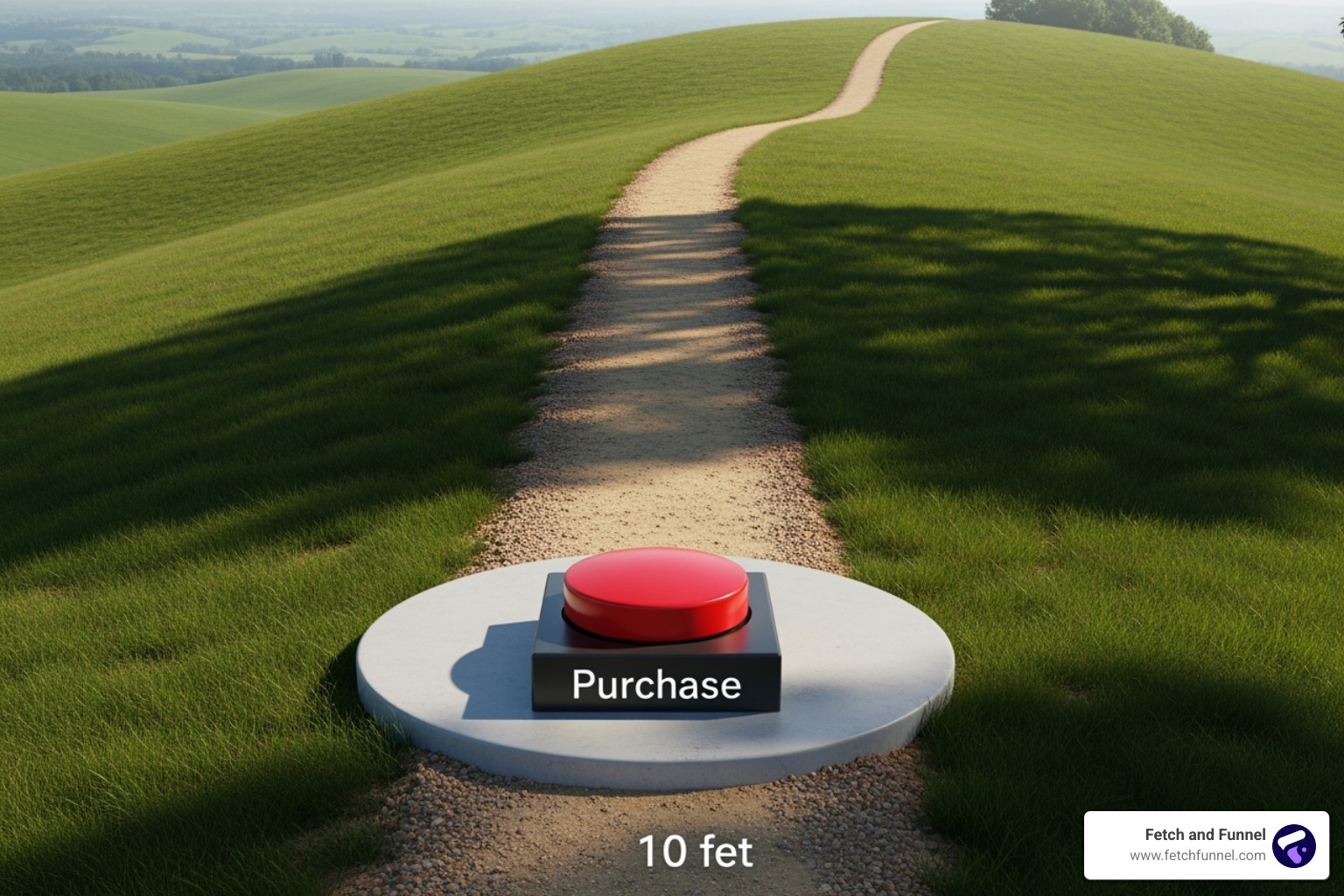
The buyer journey is focused on the pre-purchase process—the courtship phase where you convince them you’re the right choice. It’s about persuasion and education.
The customer journey is the whole relationship, starting before they know they need you and continuing long after the first purchase. It includes onboarding, support, and turning them into advocates. It’s about retention and growth.
Don’t confuse the buyer journey with your sales funnel perspective (MQL, SQL, etc.). That’s your internal view. The buyer journey is about the customer’s mental state. Aligning these two is where buyer journey optimization really pays off.
A Stage-by-Stage Guide to Buyer Journey Optimization
Think of buyer journey optimization like being a great tour guide. We need proactive strategies that meet customers where they are. By mapping content to each stage, we create a seamless, helpful experience. This is where our expertise in Conversion Rate Optimization (CRO) shines, as we fine-tune each touchpoint to remove friction.
Optimizing the Awareness Stage
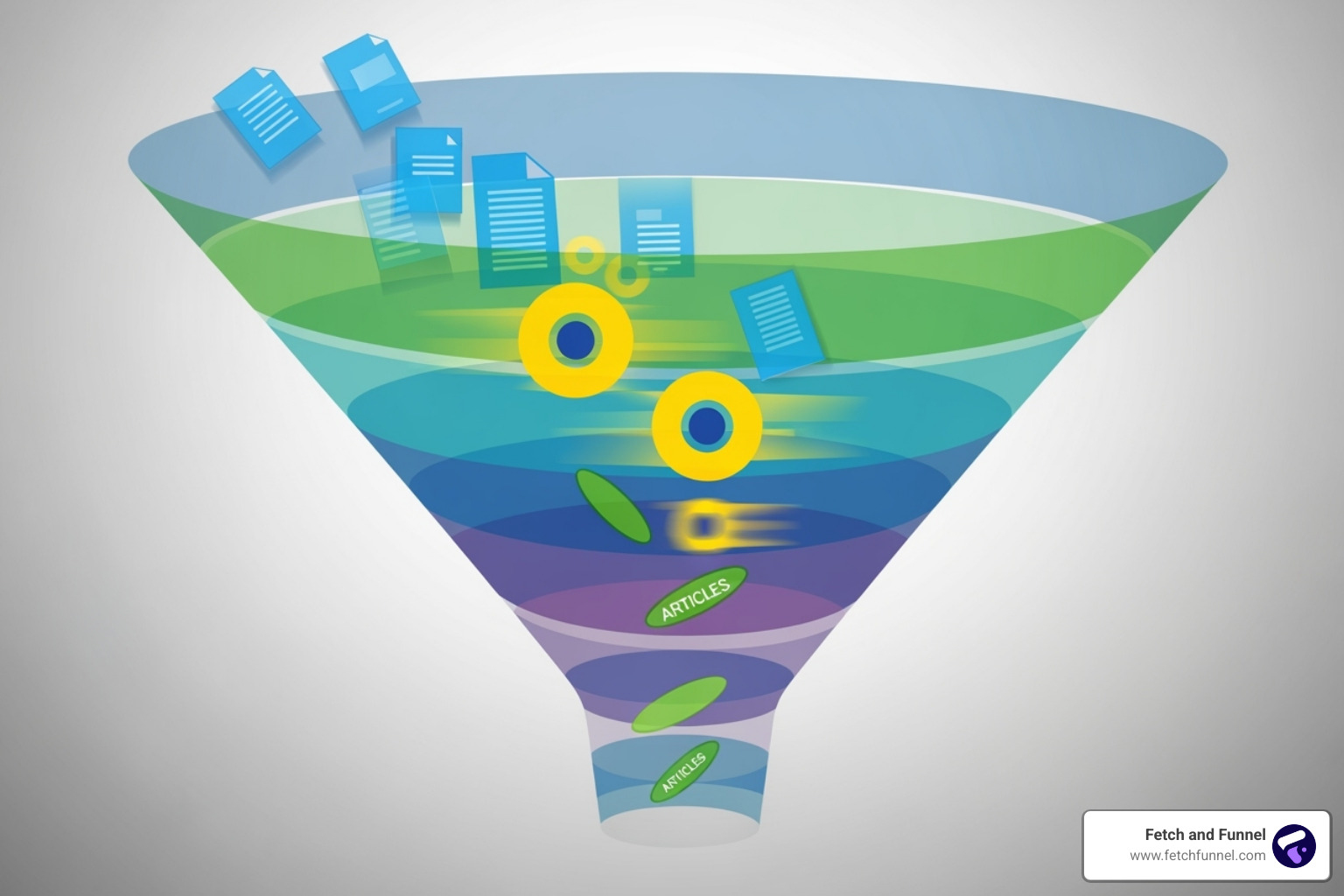
At this stage, someone is aware of a problem but not ready to buy. Your goal is to be helpful. Educational content is key: blog posts, “how-to” guides, and videos that explain concepts without a sales pitch. As 80% of B2B decision-makers prefer getting information from articles rather than ads, focus your SEO on informational queries that reflect your audience’s problems. Use social media engagement and thought leadership to join conversations and be remembered as a helpful resource.
Optimizing the Consideration Stage
Now, your prospect is actively seeking a solution. Comparative content is incredibly valuable. For guidance on creating effective comparison pages that build trust, resources from optimization experts like CXL are invaluable. Use detailed guides, webinars, and expert guides to showcase your expertise. Case studies are pure gold, providing the social proof hesitant buyers need. This is also prime time for Lead Nurturing. Use email sequences to provide more value and introduce your solution. Stay top-of-mind with retargeting ads, as most people need time to compare.
Optimizing the Decision Stage
Your prospect has done their homework and is ready to choose. They need a final nudge of confidence. Free trials and product demos remove the biggest barrier: uncertainty. Sprinkle testimonials and reviews throughout your decision-stage content. Be transparent with pricing—hidden fees kill conversions. Your calls-to-action must be clear and compelling. Finally, streamline the checkout process. Minimize form fields and offer multiple payment options, as every extra click is another chance for someone to change their mind.
The beauty of buyer journey optimization is that when done right, it just feels like great customer service.
The Role of Data, Mapping, and Personalization
Optimizing the buyer journey without data is like navigating a city without a map. Data transforms guesswork into strategy. By leveraging analytics and CRM data, we can spot patterns and create personalized experiences. This enables true Data-Driven Customer Engagement across a seamless multichannel experience.
Best Practices for Buyer Journey Mapping
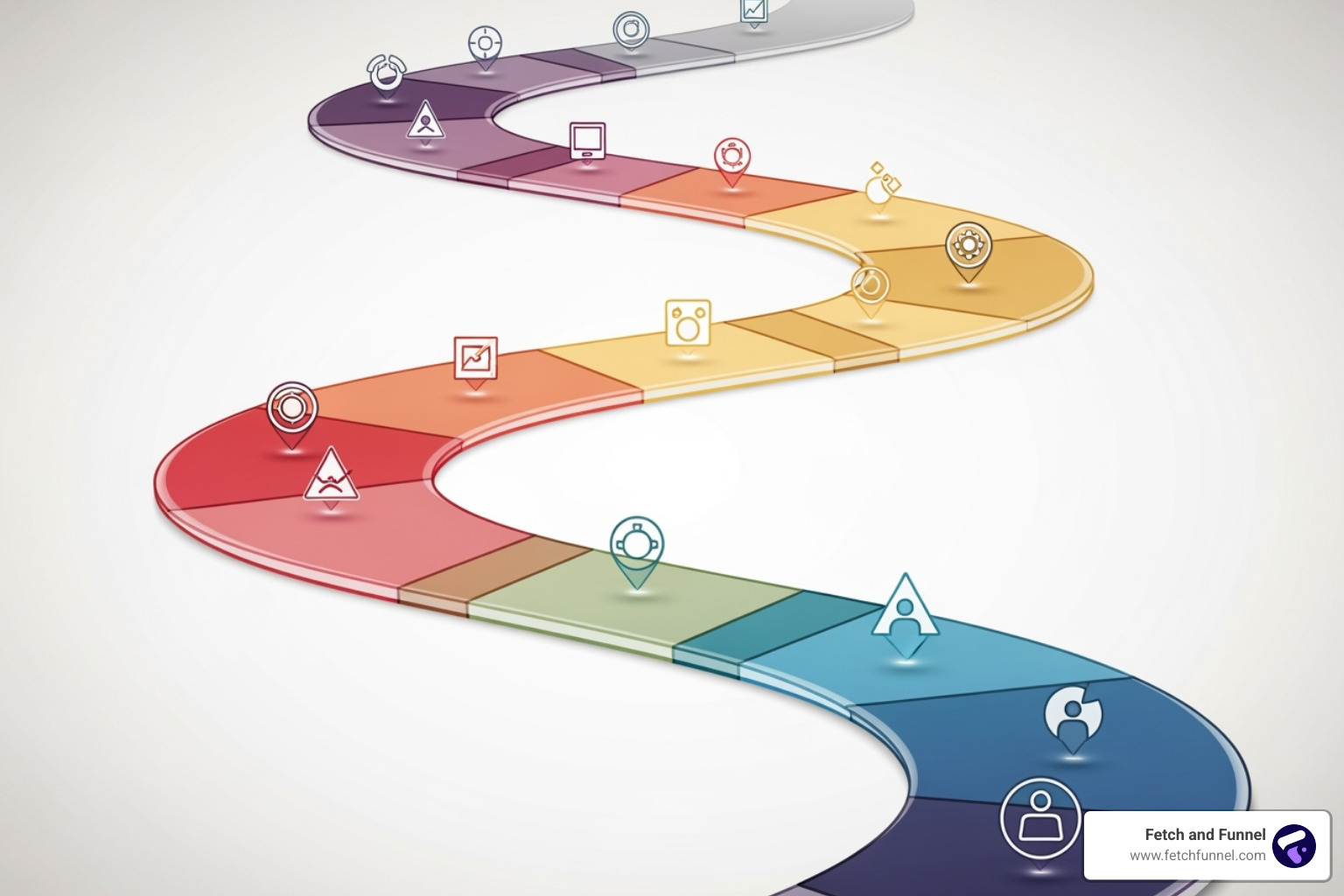
An effective buyer journey map bridges your business goals and your customers’ needs. Start with detailed buyer personas that capture their motivations and pain points. Then, map every touchpoint where customers interact with your brand, from your website to automated emails. Use customer feedback from surveys and interviews to understand the emotional journey—a successful purchase can still be frustrating. This helps you identify touchpoints and uncover friction points that need fixing. To get started, you can use templates from collaborative platforms like Miro. Your map must be a living document, updated with fresh data through continuous iteration.
Leveraging Personalization and AI for Buyer Journey Optimization
Personalization is now a “must-have.” AI and analytics make it achievable at scale. Custom messaging goes beyond using a first name; it’s about delivering content in the format each persona prefers. Dynamic content adapts your website to each visitor, showing a returning customer their viewed products, for example. Behavioral triggers enable smart automation, like sending a helpful follow-up when someone downloads a guide but doesn’t book a demo. The real game-changer is predictive analytics. AI can predict which customers are likely to purchase, upgrade, or churn, allowing you to be proactive. Our expertise in AI Journey Optimization helps businesses harness these capabilities. Modern AI Customer Engagement tools can handle everything from helpful chatbots to smart content recommendations.
Ensuring a Seamless Multichannel Experience
Customers expect one continuous conversation, regardless of the channel. Consistent messaging across your website, sales team, and ads is the foundation of trust. Online and offline integration creates memorable “wow” moments, like checking stock online before visiting a store. Mobile optimization is non-negotiable, requiring fast load times and thumb-friendly design. Don’t overlook social media support, as customers expect brands to be responsive there. The goal is an omnichannel approach where all channels work together seamlessly, delivering one cohesive experience.
B2B vs. B2C Journeys: Key Differences and Strategies
Buyer journey optimization isn’t one-size-fits-all. The way a manager evaluates enterprise software is different from how someone buys sneakers. B2B buyers often work in buying committees of 5-10 people, while B2C buyers are typically individuals. Sales cycle length also differs: B2B purchases can take months, while B2C buys can happen in minutes, driven by impulse buys. B2B buyers are moved by logical triggers like ROI, while B2C buyers are often driven by emotional triggers like desire and convenience.
| Characteristic | B2B Buyer Journey | B2C Buyer Journey |
|---|---|---|
| Decision Makers | Multiple stakeholders (often 5-10+), buying committees | Often individual, sometimes household |
| Sales Cycle Length | Longer, often weeks or months | Shorter, sometimes minutes (impulse buys) |
| Purchase Value | High-value, complex, strategic investment | Lower-value, often transactional |
| Motivation | Logic, ROI, efficiency, organizational change | Emotion, personal need, convenience, desire |
| Risk | High, impacts business operations | Lower, impacts personal satisfaction |
| Content Focus | Data, whitepapers, case studies, demos, ROI calculators | Lifestyle, reviews, promotions, visual content |
| Relationships | Long-term, consultative, partnership | Shorter, brand loyalty built over time |
Specific Optimizations for the B2B Buyer Journey
B2B purchases are complex, driven by organizational change drivers. Instead of a linear path, focus on the jobs-to-be-completed framework, supporting the specific tasks of each buying team member (e.g., problem identification, requirements building). The Gartner B2B Buying Report shows 99% of B2B purchases are driven by organizational changes. Account-Based Marketing (ABM) is effective here, focusing efforts on specific high-fit accounts and personalizing the journey for each stakeholder. To dive deeper into ABM strategies, platforms like Demandbase offer comprehensive guides. While 75% of B2B buyers prefer a rep-free sales experience, these digital-only purchases often lead to regret. The solution is a hybrid sales approach. B2B buyers are 1.8 times more likely to complete a high-quality deal when they use supplier digital tools alongside a sales rep. Provide robust online resources but keep experts available for guidance.
Specific Optimizations for the B2C Buyer Journey
B2C journeys are shorter and more emotional. Social proof is crucial. Showcase reviews, ratings, and user-generated content (UGC) to build confidence. Encourage customers to share unboxing videos or testimonials—it’s authentic and persuasive. Loyalty programs are vital for retention, incentivizing repeat purchases and fostering long-term relationships. Influencer marketing can be a game-changer when you partner with influencers whose audience aligns with your target market. A simplified checkout process is essential to reduce friction for impulse buys. Finally, focus on post-purchase engagement with thank-you notes and feedback requests to build loyalty. Effective B2C content is visual and resonant: use educational guides for awareness, product comparisons and reviews for consideration, and special offers for the decision stage.
Frequently Asked Questions about Buyer Journey Optimization
What are the most important metrics for measuring buyer journey success?
Track metrics that tell the full story. For a comprehensive list of marketing KPIs, you can reference dashboards and guides from analytics companies like Databox. Key performance indicators include:
- Conversion rates per stage: To spot where prospects drop off.
- Customer Acquisition Cost (CAC) & Customer Lifetime Value (CLV): To measure cost vs. long-term payoff.
- Sales cycle length: Effective optimization should shorten this.
- Website engagement metrics: Bounce rate, time on page, and CTRs reveal if content is resonating.
- Customer Satisfaction (CSAT) & Net Promoter Score (NPS): To measure post-purchase happiness.
How often should a buyer journey map be updated?
Your buyer journey map is a living document. Review it at least quarterly, or sooner if you have significant changes like new customer feedback, a major product launch, or shifts in the market. The key is continuous iteration based on real data, not assumptions.
What is the biggest mistake businesses make in buyer journey optimization?
The biggest mistake is creating journeys that serve the business’s needs instead of the customer’s. This inside-out thinking leads to premature selling and content that doesn’t actually help buyers. Another huge oversight is ignoring the post-purchase experience. The journey doesn’t end at the sale. Customers who feel valued after purchase become repeat buyers and referrers. True buyer journey optimization means putting yourself in your customer’s shoes. Ask: “Does this help them, or just us?” When you consistently help them, your business wins in a more sustainable way.
Conclusion
The modern buyer’s path is a winding road, not a straight line. This complexity is what makes buyer journey optimization so powerful. By working with it, we create experiences that feel natural and helpful. We’ve explored the four critical stages: Awareness, Consideration, Decision, and the Post-Purchase phase where loyalty is built.
The magic happens when we stop thinking like sellers and start thinking like customers trying to solve problems. This customer-centric mindset, backed by a data-driven strategy, is the core of successful optimization. You must continuously collect feedback, analyze behavior, and iterate.
At Fetch and Funnel, we’ve seen this approach transform businesses. Our combination of creative strategy and conversion rate optimization delivers experiences that don’t just convert—they delight. The best funnels feel like helpful conversations.
Ready to turn your customer journey into a competitive advantage? Partner with our agency to build your high-converting sales funnel and see what happens when optimization meets genuine customer care.


