

Why Your Brand Needs Customer Journey Retargeting
Customer journey retargeting is a strategic marketing approach that re-engages users at different stages of their buying journey with personalized ads and messages based on their previous interactions with your brand.
Quick Answer: What is Customer Journey Retargeting?
Customer journey retargeting is a digital marketing strategy that:
* Tracks visitor behavior across your website and platforms
* Segments audiences based on specific actions and intent signals
* Delivers custom ads to prospects as they move through awareness, consideration, decision, and retention stages
* Uses pixels or list-based methods to reconnect with potential customers
* Generates 10x higher click-through rates than standard display ads
Imagine browsing a furniture website, looking at a specific couch, then leaving without purchasing. Later that day, you see an ad for that exact couch while reading news online. That’s retargeting in action – but customer journey retargeting takes this concept further by adapting messages based on where you are in your buying process.
With only 3-5% of visitors converting on their first visit to an ecommerce store, the other 95-97% represent a massive opportunity. The statistics speak volumes: retargeted ads can boost engagement rates by up to 400% and increase the likelihood of conversion by 70%.
Traditional retargeting often treats all visitors the same, showing the same ads regardless of behavior. Customer journey retargeting is more sophisticated – it recognizes that someone who abandoned a cart needs different messaging than someone who just browsed your homepage.
According to research, 93% of top-performing businesses consider a journey-based approach extremely important to their success. By mapping retargeting efforts to specific stages of the customer journey, brands can deliver more relevant experiences that drive measurable results.
I’m Samir ElKamouny, founder of Fetch and Funnel, and I’ve personally implemented customer journey retargeting strategies that have transformed conversion rates for ecommerce brands struggling with leaky funnels and high acquisition costs. My team and I specialize in creating seamless retargeting experiences that meet customers exactly where they are in their journey.

Basic Customer journey retargeting terms:
– Best retargeting practices
– Creative retargeting ads
– best facebook retargeting strategy
What Is Customer Journey Retargeting?
Customer journey retargeting is like having a friendly shopping assistant who remembers what you liked and offers helpful suggestions as you make your decision. Instead of bombarding everyone with the same ads, this smart approach tailors messages based on where each person stands in their buying journey.
Think about the last time you browsed online. Maybe you looked at running shoes, read some reviews, but didn’t buy anything. Later that day, you saw an ad for those exact shoes while checking the weather. That’s retargeting – but customer journey retargeting takes this concept to a whole new level.
At its heart, this strategy uses two main tracking methods:
Pixel-based retargeting places a tiny piece of JavaScript code on your website that drops an anonymous cookie in visitors’ browsers. This little digital breadcrumb helps your ads follow people around the internet – not in a creepy way, but in a “hey, thing you liked?” way.
List-based retargeting works with contact information you already have. Upload your email subscribers or customer lists to platforms like Facebook or Google, and they’ll match this data with user accounts to display your ads.
The cookie-based system is quite clever – it doesn’t store personal details, just signals to ad platforms when this “cookied” person visits partner sites. This allows your brand to stay top-of-mind without invading privacy.
How It Differs from Standard Retargeting
Standard retargeting is like using a megaphone to shout the same message at everyone who’s ever visited your store. Customer journey retargeting is more like having personalized conversations with different shoppers based on what they’ve shown interest in.
What makes it special? For starters, it picks up on intent signals – recognizing that someone who studied your pricing page has different needs than someone who just skimmed a blog post.
It also uses sequential ads that evolve as people move through your funnel. A first-time visitor might see a friendly introduction to your brand, while someone who abandoned their cart might get a gentle reminder with a special offer.
Perhaps most impressively, dynamic creatives automatically customize ad content based on behavior. If you looked at red sneakers, you’ll see those exact shoes in ads – not random products from the store.
As we often tell our clients at Fetch and Funnel: “Good retargeting feels like helpful guidance, not pushy selling.” When done right, people actually appreciate the reminders!
Search Retargeting vs Site Retargeting Snapshot
These two powerful approaches serve different purposes in your marketing toolkit:
| Feature | Search Retargeting | Site Retargeting |
|---|---|---|
| Targeting basis | Keywords searched across the web | Actions taken on your website |
| Funnel position | Top (awareness) | Middle to bottom (consideration to conversion) |
| User familiarity | May have never visited your site | Has already visited your site |
| Intent signal | Search queries indicate interest | Page views, cart additions show engagement |
| Typical goal | Brand introduction, awareness | Conversion, purchase completion |
| Example scenario | User searches “best running shoes” on Google, later sees your running shoe ad | User views specific shoes on your site, later sees those exact shoes in an ad |
Search retargeting helps you find new prospects based on what they’re actively searching for, even if they’ve never heard of your brand. Site retargeting nurtures people who’ve already shown interest by visiting your website.
I’ve seen small businesses use search retargeting to punch above their weight in competitive markets. By targeting prospects based on their search behavior, these brands can reach interested audiences before they even visit their website – opening up a whole new world of opportunities.
Why Retargeting Matters at Every Stage of the Funnel
Let’s talk numbers for a moment, because they tell quite the story about customer journey retargeting:
- Retargeted visitors are 70% more likely to convert than those who aren’t retargeted
- Retargeting ads enjoy a click-through rate 10x higher than standard display ads
- Only 2-5% of your website visitors convert on their first visit
That last stat is particularly eye-opening, isn’t it? It means 95-97% of your potential customers are walking out the digital door without buying. That’s not just a leaky bucket—it’s more like trying to fill a colander!
According to the 2021 State of Customer Journey Management report, businesses that accept a journey-based approach see dramatically improved customer experiences and business outcomes. It’s not just about catching abandoners—it’s about nurturing relationships at every stage.

Awareness → Consideration
At the top of your funnel, retargeting helps transform that initial “oh, that’s interesting” moment into genuine consideration.
Search retargeting is your friendly neighborhood brand ambassador here. It helps you connect with folks who’ve shown interest in your product category through their search behavior but haven’t visited your site yet. Think of it as introducing yourself to someone at a party who you overheard talking about needing exactly what you offer.
We also love using lookalike audiences at this stage. They’re like getting a warm introduction to friends of friends who share interests with your current customers. It’s expanding your reach while keeping things relevant—like hosting a dinner party where every guest brings someone new who shares the group’s interests.
In this early stage, your retargeting shouldn’t be pushing for immediate sales. Instead, focus on friendly introductions, showing your value, and offering helpful content. It’s like offering someone a sample at the grocery store instead of asking them to buy the whole package right away.
Decision → Conversion
The middle and bottom of the funnel is where retargeting really flexes its muscles:
Cart abandonment retargeting is the superstar here. About 72% of online shoppers abandon their carts (we’ve all done it!). Without retargeting, only 8% come back to finish purchasing. With retargeting? That jumps to 26%. That’s the difference between losing almost everyone and saving a quarter of your almost-customers!
Urgency offers tap into our very human fear of missing out. Limited-time discounts, countdown timers, and “only 2 left!” notifications create gentle pressure to act now. We’ve seen brands like J.Crew Factory use this approach brilliantly in their retargeting.
At Fetch and Funnel, we’ve consistently found that personalized retargeting offers based on browsing history can boost conversion rates by up to 40% compared to generic “hey, come back!” messages. It’s the difference between “I noticed you were looking at these exact running shoes” versus “Buy shoes!”
Retention → Advocacy
The journey doesn’t end at “thank you for your purchase.” In fact, that’s where some of the most valuable retargeting begins:
Loyal customer spending increases dramatically over time. The average loyal customer spends 67% more in months 31-36 than in their first six months with a brand. That’s why retention-focused retargeting is pure gold for your bottom line.
Referral nudges through retargeting can turn happy customers into your volunteer sales team. Ads highlighting your referral program with incentives for both parties can grow your customer base organically. It’s like giving your customers business cards they actually want to hand out.
Post-purchase retargeting might include helpful usage tips, complementary product suggestions, or invitations to your VIP club. A skincare brand might retarget recent buyers with content about getting the most from their new face cream, then suggest a complementary serum once they’ve had time to fall in love with the first product.
The beauty of customer journey retargeting is that it recognizes people aren’t just “visitors” or “customers”—they’re individuals on a unique path with your brand. Meeting them exactly where they are, with exactly what they need, transforms retargeting from interruptive advertising into a helpful service they actually appreciate.
Crafting Stage-Based Retargeting Strategies
Building effective customer journey retargeting isn’t about bombarding potential customers with the same message. It’s about meeting them where they are with exactly what they need. At Fetch and Funnel, we’ve found that the magic happens when you tailor your approach to each stage of the buyer’s journey.
Think of it like having different conversations with a friend depending on how well you know each other. You wouldn’t jump straight to asking someone to be your best friend five minutes after meeting them, right?
The foundation of great retargeting starts with these essential steps:
First, map out your customer’s journey from start to finish. Where do they typically find you? What pages do they visit before purchasing? Where do they tend to drop off? Understanding these touchpoints gives you a roadmap for reconnecting.
Next, get to know who you’re talking to by creating detailed audience personas. When you understand what makes your customers tick—their challenges, goals, and preferences—you can craft messages that truly resonate.
The real power comes from implementing dynamic ads that automatically adapt based on user behavior. Instead of showing everyone the same generic message, your ads evolve based on what products they viewed, how long they spent on your site, or whether they’ve purchased before.
“One of the biggest mistakes I see brands make is retargeting customers who’ve already converted with the same offer,” says our team at Fetch and Funnel. That’s why exclusion lists are crucial—they prevent awkward situations like showing a “buy now” ad to someone who just purchased.
Let’s explore the specific strategies that work at each stage:
Awareness-Stage Playbook
When someone’s just getting to know your brand, subtlety is key. This isn’t the time for hard sells or detailed product specs.
Video snippets work wonders here—short, engaging 15-30 second clips that introduce your brand personality and core value proposition without overwhelming new prospects. They’re like a friendly wave rather than an aggressive handshake.
Focus on delivering value content that educates and helps solve problems. For instance, if you sell running shoes, your awareness-stage retargeting might feature quick tips for preventing running injuries rather than pushing specific shoe models.
At this stage, you’re building recognition and trust, not pushing for immediate conversion.
Consideration-Stage Playbook
As prospects warm up to your brand, they’re actively weighing options. Now’s the time to help them understand why you’re the right choice.
Product demos shine in this phase, showing exactly how your offering solves their specific problems. A software company might show a quick walkthrough of their most popular features, while a clothing brand might showcase fabric quality or fit guides.
Nothing builds confidence like seeing others succeed with your product. Incorporate social proof by featuring customer testimonials or review snippets that address common hesitations.
For deeper insights on targeting the right audiences during this crucial stage, our Facebook Ads Audience Research guide offers proven strategies.
Conversion-Stage Playbook
When someone’s on the fence about buying, the right nudge can make all the difference. This is where urgency and incentives come into play.
Discount timers create a gentle sense of FOMO (fear of missing out) that can tip the scales. We’ve seen conversion rates jump by 25% when implementing countdown elements that show an offer is truly limited.
Free shipping thresholds work brilliantly to increase average order values. “Spend $10 more for free shipping” is often all it takes to boost cart sizes.

For those who’ve abandoned their carts, personalized reminders that address common concerns work wonders. “Still thinking about those shoes? We’ve reserved them in your cart, and we offer free returns if they don’t fit perfectly.”
Retention & Loyalty Playbook
The journey doesn’t end at purchase—it’s just beginning! Smart brands know that existing customers are gold.
Cross-sell opportunities based on previous purchases feel helpful rather than pushy. “You loved that moisturizer—many customers pair it with our night serum for even better results.”
Gently prompting happy customers to share reviews not only generates valuable social proof but also strengthens their connection to your brand. They’ve publicly endorsed you, which deepens their commitment.
Offering exclusive access to loyal customers makes them feel valued and special. Early access to new products or member-only discounts reinforces their decision to stick with your brand.
By tailoring your retargeting approach to each stage of the customer journey, you create a seamless experience that feels helpful rather than intrusive. It’s like having a knowledgeable friend guiding you toward the perfect solution—exactly when you need it.
Search Retargeting vs Site Retargeting: When & Why
Let’s talk about when to use search versus site retargeting – because timing these strategies right can make all the difference in your customer journey efforts.
Search retargeting connects with people based on their search history across the internet, even if they’ve never visited your website. Think of it as introducing yourself to someone who’s already looking for what you offer. This approach works beautifully for:
Top-of-funnel awareness campaigns where you’re trying to get on someone’s radar. If a person searches “best wireless headphones” but hasn’t finded your audio equipment brand yet, search retargeting helps you wave hello as they browse other sites.
Search retargeting essentially expands your audience beyond current site visitors and captures interest based on keyword intent. It’s particularly valuable in competitive markets where standing out matters.
Site retargeting, by contrast, focuses exclusively on people who’ve already visited your website. These folks have shown direct interest in what you offer by browsing your pages. This strategy shines for:
Middle and bottom-of-funnel conversion efforts where you’re reminding someone about products they’ve already shown interest in. When someone browses laptop models on your site but leaves without purchasing, site retargeting brings those exact products back into view.
Site retargeting excels at delivering personalized messaging based on specific behaviors – like which pages someone viewed or how long they spent looking at certain products. It’s your best friend for recovering abandoned carts and incomplete sign-ups.
Bid modifiers help fine-tune both approaches. With search retargeting, you might increase your bids for high-intent keywords that signal someone’s ready to buy. For site retargeting, you could bid higher to reach users who abandoned carts compared to those who just glanced at category pages.

At Fetch and Funnel, we’ve found that combining these approaches creates the most seamless journey. We typically recommend using search retargeting to build your audience (casting a wider net), then transitioning to site retargeting as people engage with your brand (focusing on those showing clear interest). This creates a natural progression that guides potential customers from first awareness all the way through to clicking “Complete Purchase.”
The beauty of this combined approach is that it meets people exactly where they are in their journey – whether they’re just starting to explore options or they’re one small nudge away from becoming a customer.
Personalization, Segmentation, and Frequency Tuning
The magic of customer journey retargeting doesn’t happen by accident. It’s built on three essential pillars: personalization that speaks directly to individuals, smart segmentation that groups similar users, and careful frequency management that keeps your brand helpful, not annoying.
Think of first-party data as your retargeting goldmine. This is information your users willingly share with you through their interactions with your brand:
- How they steer your website
- What they’ve purchased before
- How they engage with your emails
- Their conversations with your customer service team
With privacy regulations like GDPR and CCPA changing the landscape of third-party cookies, this first-party data has become incredibly valuable. At Fetch and Funnel, we help our Boston clients build privacy-respectful data systems that capture meaningful insights without crossing the line.
We often organize users into what we call behavioral buckets based on their actions. Someone who just landed on your homepage needs a very different message than someone who abandoned a cart with $200 worth of products. Understanding these differences is what makes retargeting powerful rather than wasteful.
Building Smart Segments for Customer Journey Retargeting
Creating truly effective segments requires thinking beyond basic website clicks. The most successful customer journey retargeting campaigns we’ve built use these advanced approaches:
Leverage your CRM lists to create segments based on purchase patterns and customer value. A customer who buys from you every month deserves different treatment than someone who made a single purchase two years ago.
Lookalike audiences help you find your next best customers by targeting people who share characteristics with your current top performers. This approach has been particularly effective for our ecommerce clients looking to scale efficiently.
When you segment by intent signals, you’re grouping users based on the problems they’re trying to solve. Someone researching “how to fix lower back pain” has different needs than someone comparing specific mattress brands, even though both might eventually buy a mattress.
Engagement recency matters tremendously. A visitor from three hours ago is in a different mindset than someone who browsed your site three weeks ago. Your messaging should reflect this reality.
A fitness apparel client of ours saw remarkable results when we segmented their audience not just by product category (running, yoga, weightlifting) but also by engagement depth and timing. The personalized messaging spoke directly to each group’s specific interests and position in their buying journey.
For more insights on turning these segments into conversions, check out our detailed guide on Conversion Optimization.
Dynamic Personalization Best Practices
Dynamic retargeting takes personalization from good to extraordinary by automatically tailoring content to individual behavior:
Connect your product ID feeds to your retargeting platform so your ads can showcase the exact items someone viewed. This simple connection makes ads feel incredibly relevant rather than generic.
Pay attention to user intent signals – there’s a world of difference between someone who spent 30 seconds glancing at a product and someone who spent 15 minutes reading reviews and specifications. Your messaging should acknowledge this difference.
Never settle for a single ad version. Headline testing helps you find which messages resonate with different segments, even when using the same visuals. We typically test at least three headline variations for each campaign.
Think of your ads as chapters in a story, not repetitive billboards. Sequential storytelling progresses the narrative across multiple exposures, keeping users engaged rather than annoyed.
One of our home furnishing clients saw their click-through rates jump by 35% when we implemented dynamic product ads showing the exact sofas prospects had viewed, paired with complementary pieces to complete the room. Users appreciated the helpful suggestions rather than feeling “followed” around the internet.
Balancing Frequency & Timing to Avoid Ad Fatigue
Ad fatigue is the silent killer of retargeting campaigns. When users see your ads too often, irritation replaces interest. Our experience aligns with research showing:
The sweet spot for frequency is typically 5-7 impressions per week per user. Beyond this, returns diminish rapidly.
Your recency windows should match your typical sales cycle. A coffee subscription service needs shorter windows than a luxury watch retailer because the decision timeframes are completely different.
Creative rotation keeps your campaign fresh. Even with careful frequency caps, seeing the exact same ad repeatedly gets old fast.
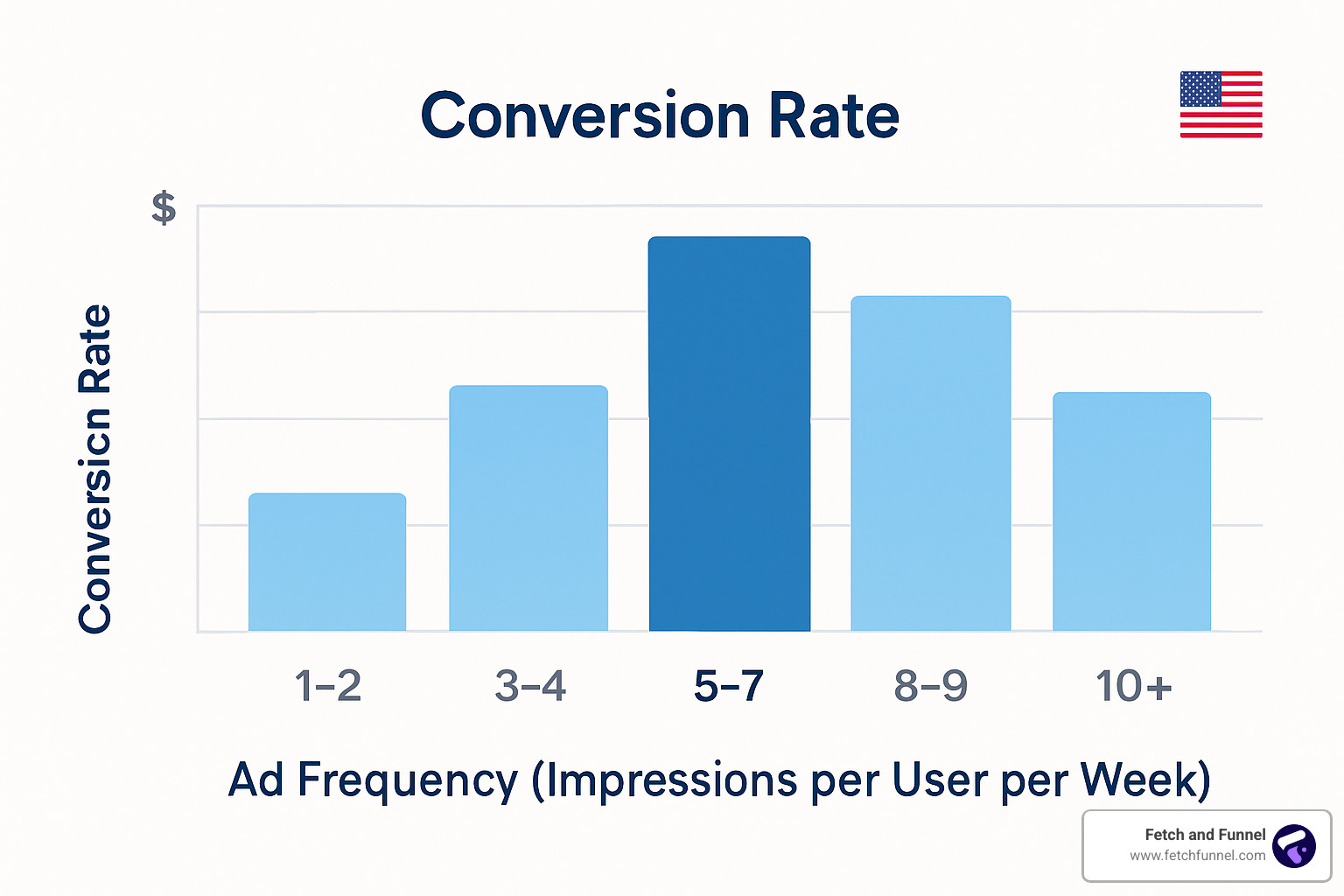
Don’t forget to implement burn pixels that stop showing ads to people who have already converted. Nothing wastes budget faster or creates a worse impression than retargeting someone with a product they’ve already purchased. It’s the digital equivalent of a salesperson trying to sell you something that’s already in your shopping bag.
According to scientific research on ad overload, varying your creative assets significantly extends campaign effectiveness by keeping things interesting for your audience.
At Fetch and Funnel, we typically refresh creative assets every 2-3 weeks and maintain at least 3-4 different versions for each segment. We also adjust frequency caps based on funnel position – someone close to purchase can handle (and often appreciates) more touchpoints than someone just beginning their research.
When personalization, segmentation, and frequency management work in harmony, customer journey retargeting feels less like being stalked by ads and more like receiving helpful reminders from a brand that genuinely understands your needs.
Platforms, Tools, and Automation Workflows
Building an effective customer journey retargeting strategy is a bit like assembling a well-oiled machine – you need the right parts working together seamlessly. Let’s explore the essential technology that powers successful retargeting campaigns.
Think of Customer Data Platforms (CDPs) as the brain of your operation. These powerful systems pull together information from all your digital touchpoints to create a complete picture of each customer. When someone jumps from their phone to laptop while browsing your site, a good CDP keeps track of them across devices, ensuring your retargeting remains consistent.
When it comes to where your ads will actually appear, several platforms stand out:
Google Ads offers tremendous reach through its Display Network, YouTube placements, and even search results. This versatility makes it a cornerstone of most retargeting strategies we build at Fetch and Funnel.
Meta Ads remains incredibly powerful for social retargeting, letting you reconnect with prospects across Facebook, Instagram, and their Audience Network of partner apps and websites.
For our B2B clients in Boston, LinkedIn Ads provides unique retargeting capabilities based on professional attributes like job title or industry – perfect for longer sales cycles.
And don’t overlook Twitter Ads, which allows you to retarget users who’ve engaged with your tweets or visited specific pages on your website.
Setting Up Pixels & Event Tracking
The foundation of any successful retargeting campaign is proper tracking implementation. Without it, you’re essentially flying blind.
Google Analytics 4 represents a significant evolution in tracking capabilities. When setting up GA4, start with the base code on all pages, then activate improved measurement to automatically track key events like scrolling, outbound clicks, and video engagement. This gives you rich data for building detailed retargeting segments.
The Meta Pixel remains essential for Facebook and Instagram retargeting. We recommend placing the base pixel in your website header and then adding specific event codes for critical actions like “Add to Cart” or “Complete Purchase.” This granularity allows for highly targeted campaigns based on specific user behaviors.
For clients concerned about data accuracy and site performance, server-side tagging offers significant advantages. Rather than loading all tracking scripts in the user’s browser, server-side implementation moves this processing to your server, resulting in faster page loads and more reliable data collection – especially important as browsers become increasingly restrictive with cookies.
When structuring your events, think of them as a funnel from broad to specific interactions. This logical progression (View Content → Add to Cart → Initiate Checkout → Purchase) creates natural segments for sequential retargeting.
Orchestrating Omnichannel Automations
The magic of modern customer journey retargeting happens when you coordinate messaging across multiple channels. This orchestration creates a cohesive experience regardless of where customers encounter your brand.
Email triggers work beautifully alongside retargeting ads. Imagine a customer abandons their cart – they receive a thoughtful email reminder and then see complementary ads showing the same products as they browse online. This dual-channel approach significantly boosts conversion rates compared to either tactic alone.
For time-sensitive offers, SMS integration adds another powerful dimension. Text messages have extraordinary open rates (98% compared to email’s 20%), making them perfect for flash sales or limited-time promotions that align with your retargeting campaigns.
Push notifications from your website or app can serve as immediate touchpoints that complement your broader retargeting strategy. A well-timed push notification about an abandoned cart item that’s now low in stock creates urgency that your retargeting ads can reinforce.
The key to success is thoughtful cross-channel sequencing – creating logical progressions that guide users through their journey regardless of which channel they engage with. For example, a first-time visitor might receive awareness-focused retargeting ads for a few days, followed by an email offering a first-purchase discount, supported by consideration-stage retargeting showing specific products they viewed.
For a deeper dive into creating effective retargeting sequences, check out our guide on Facebook Retargeting Funnel.
At Fetch and Funnel, we’ve found that this coordinated approach not only improves conversion rates but also creates a more satisfying customer experience – people appreciate relevant messaging that actually helps them make decisions rather than random ads that interrupt their day.
Measuring Success & Continuous Optimization
Let’s face it – if you can’t measure it, you can’t improve it. Customer journey retargeting demands both careful tracking and constant fine-tuning to deliver those impressive ROI numbers everyone’s after.
When we work with clients at Fetch and Funnel, we focus on metrics that tell the complete story:
Click-Through Rate (CTR) reveals how compelling your ads are at grabbing attention. While standard display ads struggle with a measly 0.07% average, well-crafted retargeting campaigns typically achieve 0.3-0.95% – that’s up to 10 times more engagement!
Conversion Rate (CVR) takes things further by showing how many clicks actually turn into meaningful actions. This metric gets particularly interesting when you compare it across different segments and funnel stages.
Return on Ad Spend (ROAS) cuts straight to the bottom line – how many dollars are you getting back for each dollar spent? This is where customer journey retargeting often shines brightest compared to other channels.
Don’t overlook View-Through Conversions either. Many customers see your ads, don’t click immediately, but later convert through another channel. These “assisted conversions” are a crucial part of understanding retargeting’s full impact.
Beyond these basics, we track Frequency (how often people see your ads), Reach (how many unique users you’re connecting with), and Cohort Lifetime Value (how retargeted customers perform over time compared to other acquisition sources).
The most sophisticated approach, though? Incrementality testing. By comparing results between a test group exposed to retargeting and a control group that isn’t, you can measure the true lift your campaigns create. This answers the ultimate question: “How much additional value is my retargeting actually generating?”
Testing Frameworks for Customer Journey Retargeting
“Test, learn, optimize, repeat” isn’t just a catchy phrase – it’s the mantra of successful retargeting. At Fetch and Funnel, we implement several testing frameworks:
A/B testing lets you compare two versions of a single element – maybe it’s different headlines, images, or call-to-action buttons. This clean, controlled approach makes it clear which variation drives better results.
Multivariate testing takes things up a notch by examining how multiple elements interact. Maybe that blue button works better with headline A, but the red button performs better with headline B? This testing reveals those combination effects.
Holdout groups might feel counterintuitive (why exclude anyone from your brilliant retargeting?), but they’re essential for measuring true incremental impact. By keeping a small percentage of eligible users from seeing your ads, you establish a clean baseline for comparison.
Sequential testing helps determine not just what to say, but when to say it. Should you lead with product benefits or social proof? This approach finds the optimal order and timing for your messaging sequence.
For deeper strategies on creating effective testing programs, our Conversion Rate Optimization Testing guide offers practical frameworks you can implement immediately.
Data-Driven Creative Iteration
The best retargeting campaigns evolve constantly based on performance data. Here’s how we keep creative fresh and effective:
Heatmap analysis shows exactly where users focus their attention on your ads. We’ve had clients find that people were drawn to background elements while completely missing the main message – insights that led to immediate design improvements.
Message resonance tracking helps identify which value propositions connect most strongly with different segments. A professional audience might respond to efficiency claims, while a consumer audience might prioritize emotional benefits.
Creative fatigue alerts monitor CTR decay over time. When engagement starts dropping, it’s time for fresh creative – typically before you’d notice the decline without systematic tracking.
Competitive intelligence provides context for your own performance. Understanding competitor strategies helps you find unique angles and avoid blending into the advertising background noise.
At Fetch and Funnel, we implement regular creative refresh cycles with our Boston clients, typically seeing 15-20% performance improvements when we systematically optimize based on data. One ecommerce client saw their retargeting ROAS jump from 3.2x to 4.7x after implementing our data-driven creative iteration process.
The goal isn’t just collecting data – it’s changing that data into actionable insights that continuously improve your customer journey retargeting performance.
Real-World Success Stories & Common Pitfalls
Let me share some inspiring customer journey retargeting stories that show just how powerful this approach can be when done right.
Furniture retailer I mentioned earlier? They’re not just a hypothetical example. One of our apparel clients saw engagement rates skyrocket by 400% after we implemented stage-specific messaging. Instead of showing everyone the same generic ads, we created distinct experiences for casual browsers, shoppers who abandoned carts, and previous customers. The personalized approach made all the difference.
For a Boston-based SaaS company struggling with high acquisition costs, we implemented proper burn pixels (those crucial tags that prevent ads from showing to people who’ve already converted). This simple fix reduced their customer acquisition costs by a substantial 31% – money that had been completely wasted on advertising to existing customers!
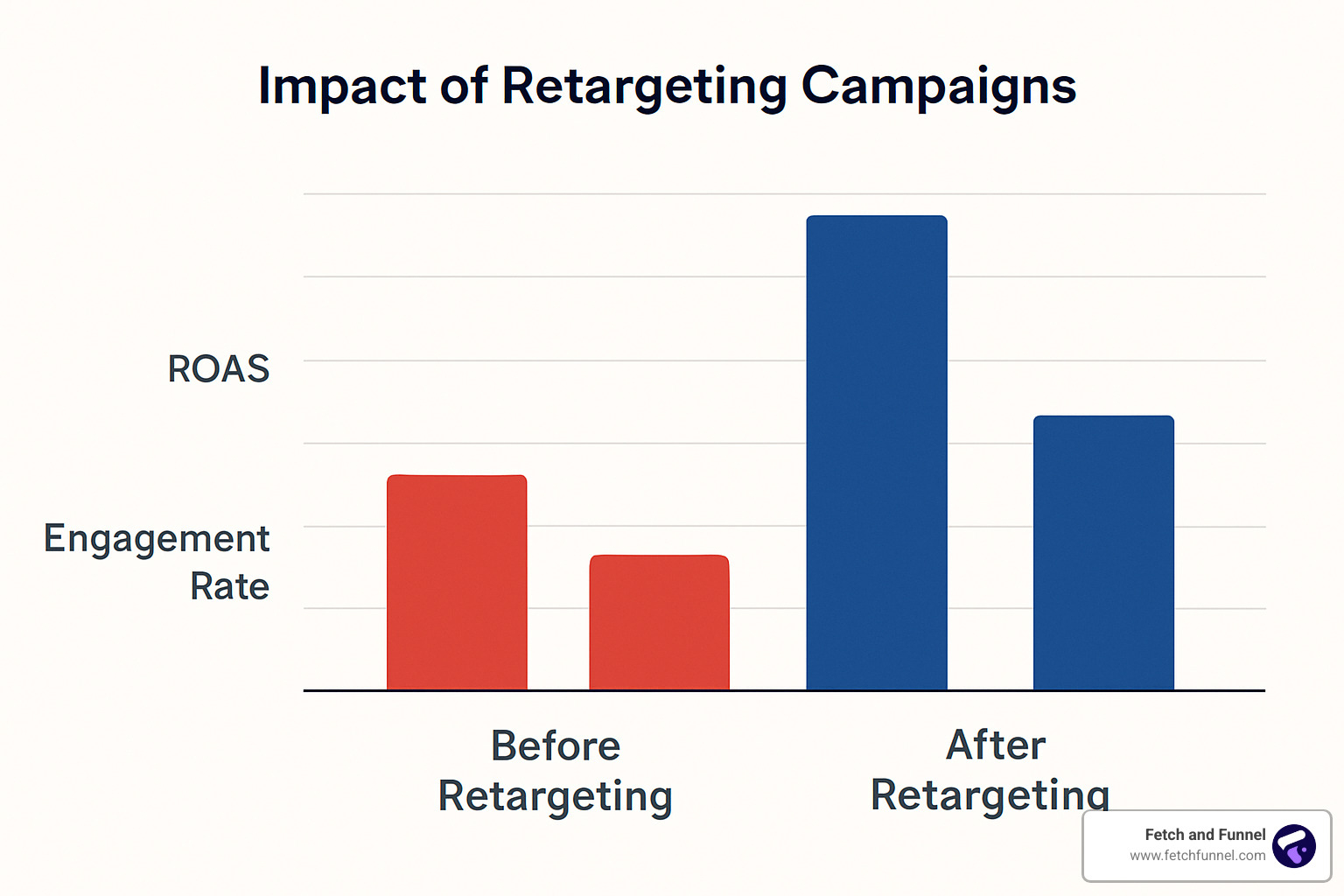
One of my favorite success stories involves a direct-to-consumer furniture brand that was seeing decent results with basic retargeting. After we segmented their audience by browsing behavior and product interests, their return on ad spend jumped from an already respectable 2x to an impressive 5.2x. That’s the difference between making a little profit and scaling aggressively.
Of course, these wins didn’t come without navigating some tricky territory. I’ve seen brands make plenty of mistakes along the way:
Over-frequency is probably the most common pitfall. Nothing turns potential customers away faster than seeing your ad 20 times a day! This creates annoyance rather than interest.
Poor segmentation happens when brands treat all website visitors the same way. The person who spent 30 minutes comparing product features needs very different messaging than someone who bounced after 10 seconds.
Privacy neglect is increasingly problematic. Failing to comply with GDPR, CCPA and other regulations not only risks legal trouble but erodes consumer trust – something no retargeting campaign can recover.
Inconsistent messaging across channels creates a jarring experience. When your email says one thing but your Facebook ad says another, you’re confusing potential customers rather than guiding them.
Mini Case Study: Dynamic Product Ads
Let me share a specific example that really demonstrates the power of customer journey retargeting. A specialty kitchenware retailer came to us frustrated with generic retargeting that wasn’t moving the needle. We implemented dynamic product ads that showcased the exact items users had viewed, along with complementary products.
The results spoke for themselves:
– Click-through rates jumped 20% compared to their standard retargeting
– Conversion rates from ad click to purchase increased by 35%
– Average order value grew by 42% as customers added those complementary products we suggested
The magic wasn’t complicated – we connected their product catalog directly to the retargeting platform and implemented SKU-level tracking. This ensured that if someone looked at a specific chef’s knife, they’d see that exact knife in their retargeting ads, perhaps alongside a cutting board or knife sharpener. The relevance created a seamless continuation of their shopping experience.
Pitfalls to Dodge in Customer Journey Retargeting
After working with dozens of brands on their retargeting strategies, I’ve noticed some consistent mistakes that can derail even the most promising campaigns:
Intrusive ads that feel like they’re stalking users create negative brand associations. There’s a fine line between helpful reminders and creepy surveillance, and respecting that boundary is crucial for building trust.
Stale creatives are surprisingly common. I’ve seen brands use the same ad creative for months, then wonder why performance drops. Our testing shows refreshing your creative every 2-3 weeks can improve performance by up to 25%. People simply stop seeing ads they’ve already viewed dozens of times.
Accidental retargeting happens when brands continue targeting users who have already converted. Nothing wastes budget faster or creates a poorer impression than showing “buy now” ads for products someone already purchased. Proper exclusion lists and burn pixels are absolutely essential.
Misaligned messaging occurs when you show awareness-stage content to people ready to buy (or vice versa). This demonstrates a fundamental misunderstanding of where customers are in their journey and significantly reduces effectiveness.
Ignoring mobile experience is a critical mistake when over 60% of internet traffic comes from mobile devices. We’ve seen beautiful desktop ads that render terribly on phones, creating frustration rather than conversions.
At Fetch and Funnel, we’ve helped numerous Boston businesses avoid these pitfalls while implementing customer journey retargeting strategies that drive real results. The key is understanding both the technical aspects and the human psychology behind effective retargeting.
Integrating Retargeting with Your Omnichannel Strategy
When customer journey retargeting works in harmony with your broader marketing efforts, that’s when the magic really happens. Think of it as one instrument in your marketing orchestra – powerful on its own, but truly magnificent when playing in concert with others.
Email, social media, SMS, and website experiences should all tell a consistent story about your brand. At Fetch and Funnel, we’ve seen how this coordinated approach creates a seamless experience that guides customers naturally toward conversion.
Email remarketing pairs beautifully with display retargeting. Imagine a customer abandons their shopping cart. Within hours, they receive a thoughtful email reminder, and later that day, they see display ads featuring those exact products while browsing their favorite news site. This one-two punch of messaging often proves irresistible.
Your loyalty program becomes even more powerful when supported by strategic retargeting. We help our clients target frequent buyers with ads that highlight the benefits of joining their loyalty program, then use that membership data to create even more personalized retargeting experiences.
Referral programs thrive with retargeting support too. Your satisfied customers are your best advocates – why not remind them about your referral incentives through targeted ads? One of our home goods clients saw referrals increase by 34% after implementing this approach.
SMS marketing adds an immediate, personal touch to your retargeting strategy. While display ads work their magic across the web, a well-timed text message can create urgency for limited-time offers. The key is making these messages feel helpful rather than intrusive.
Push notifications complete your omnichannel arsenal, allowing you to reach customers even when they’re not actively browsing. These brief alerts can serve as gentle reminders that complement your broader retargeting narrative.
The thread that ties it all together? Sequential storytelling – creating a cohesive narrative that evolves naturally as customers progress through their journey with your brand.
Syncing Messaging Across Channels
Consistency creates clarity in the minds of your customers. When implementing customer journey retargeting across channels, pay special attention to:
Consistent offers that match across all touchpoints. Nothing confuses customers more than seeing different prices or promotions as they move between channels. We help our Boston clients ensure their flash sale is the same 30% discount whether seen in an email, display ad, or SMS message.
Brand voice that remains distinctively yours regardless of the platform. Whether customers encounter your brand on Instagram or in their email inbox, they should immediately recognize your unique personality and tone.
Visual identity elements that create instant recognition. Your color palette, typography, and imagery should form a cohesive visual language that customers can identify at a glance, whether they’re seeing your ad on a mobile device or desktop computer.
Timing coordination that feels natural, not overwhelming. We carefully orchestrate the cadence of messages across channels to create gentle reinforcement without bombarding customers.
I recently worked with a specialty food retailer who masterfully executed this approach. They introduced a new product line through email, reinforced the message with Instagram retargeting showing customer testimonials, and delivered a final SMS reminder just before the introductory pricing ended. Sales exceeded projections by 45%.
Leveraging Automation & Analytics Together
The real power of modern customer journey retargeting comes from the marriage of sophisticated automation with insightful analytics:
Customer Data Platforms (CDPs) create a continuous feedback loop, constantly refreshing your audience segments based on the latest behaviors. This ensures your retargeting always reflects customers’ current place in their journey, not where they were days or weeks ago.
Predictive audience modeling uses machine learning to identify which users are most likely to convert, which might churn, and which have high-value potential. This allows you to prioritize your retargeting spend where it will have the greatest impact.
Multi-touch attribution helps you understand how retargeting interacts with your other marketing channels to drive conversions. This insight allows you to properly value retargeting’s contribution to your overall marketing success.
AI-powered personalization engines take the guesswork out of optimization by automatically refining messaging and creative elements based on actual user response. One of our technology clients saw engagement rates improve by 28% after implementing this approach.
For brands looking to improve their Facebook retargeting efforts as part of their omnichannel strategy, our detailed guide on Facebook Retargeting Strategies provides actionable insights and proven techniques.
When all these elements work together, customer journey retargeting transforms from a simple reminder tactic into a sophisticated system that guides prospects through a personalized buying journey – meeting them with exactly the right message, at exactly the right moment, on exactly the right channel.
Frequently Asked Questions about Customer Journey Retargeting
What KPIs prove customer journey retargeting works?
When clients ask me about measuring the success of their customer journey retargeting campaigns, I always point to several key performance indicators that tell the real story:
First and foremost, look at your ROAS (Return on Ad Spend). A healthy campaign should generate at least $2 for every $1 spent—that’s a 200% ROI. At Fetch and Funnel, our most successful Boston clients typically achieve at least 3x ROAS when their retargeting strategy is properly aligned with the customer journey.
Conversion rate comparison is equally revealing. When you compare how retargeted users convert versus non-retargeted visitors, you should see a substantial difference. Our campaigns regularly deliver conversion rates 3-5 times higher than non-retargeted traffic—that’s the power of reaching people at the right moment in their journey.
Don’t overlook view-through conversions either. Many users see your retargeting ads, don’t click, but later return to convert. These “assisted conversions” are a crucial part of understanding your campaign’s full impact.
For a more complete picture, track engagement metrics like click-through rates, time on site, and pages per session from retargeting traffic. These indicators help you understand not just if users are converting, but how they’re engaging with your brand along the way.
I also recommend monitoring frequency to conversion—how many ad impressions typically lead to a purchase. This helps fine-tune your frequency caps and avoid ad fatigue while still driving results.
Perhaps most convincingly, measure incremental lift through controlled tests that isolate the additional conversions specifically attributable to your retargeting efforts. This eliminates any doubt about whether those conversions would have happened anyway.
How long should a retargeting window last?
The perfect retargeting window isn’t one-size-fits-all—it should match your product’s natural consideration cycle:
For short consideration products like clothing or groceries, a 7-14 day window usually works best. These purchases don’t require lengthy deliberation, so extending beyond two weeks often wastes impressions on people who have moved on.
Medium consideration products such as electronics or furniture benefit from a longer 30-day window, giving shoppers time to research and compare options before making their decision.
High consideration purchases like luxury items or B2B services often need 60-90 day windows to accommodate lengthy research phases and multiple stakeholders in the decision process.
At Fetch and Funnel, we’ve found that segmenting your audience and applying different windows based on engagement level creates the most efficient campaigns. For example:
– Social media engagers: 90 days
– Website visitors: 30 days
– Product viewers: 14 days
– Cart abandoners: 7 days
– Checkout initiators: 7 days
This tiered approach ensures you’re not showing ads to cold prospects for too long while giving warm leads the right amount of nurturing. I always recommend testing different windows for your specific business to find that sweet spot where results peak without wasting budget.
How do privacy regulations impact journey-based retargeting?
Privacy regulations have fundamentally changed how we approach customer journey retargeting, but they haven’t made it impossible—just different.
Consent requirements under GDPR, CCPA, and similar laws mean we now need explicit permission before tracking users across their journey. This has reduced audience sizes for many brands, but the quality of these audiences has actually improved since they’ve actively chosen to engage.
The gradual disappearance of third-party cookies has made first-party data collection absolutely essential. Brands that build direct relationships with customers through email subscriptions, account creation, and loyalty programs now have a significant advantage in the retargeting landscape.
Many of our Boston clients are moving toward server-side tracking solutions that maintain accuracy while respecting privacy boundaries. This approach processes data on your servers rather than in the user’s browser, creating a more stable tracking foundation.
We’re also seeing increased interest in contextual alternatives that target based on content relevance rather than personal data. While not technically retargeting, these approaches can complement your journey-based strategy by reaching people in contexts relevant to their interests.
Finally, embracing data minimization principles—collecting only what you truly need—reduces regulatory risk while still enabling effective retargeting. At Fetch and Funnel, we help clients identify which data points drive results and which can be eliminated, creating leaner, more compliant campaigns without sacrificing performance.
The privacy landscape continues to evolve, but by staying adaptable and focusing on value exchange with customers, customer journey retargeting remains one of the most powerful tools in your marketing arsenal.
Conclusion
Customer journey retargeting isn’t just another marketing tactic—it’s a transformative approach that can completely reshape how customers interact with your brand. When you deliver the right message at precisely the right moment in a customer’s journey, magic happens.
Throughout this guide, we’ve explored how tailoring your retargeting efforts to each funnel stage creates a seamless experience that naturally guides prospects from first awareness all the way through to becoming loyal advocates. The numbers speak for themselves—10x higher click-through rates than standard display ads, 70% increased conversion likelihood, and dramatically improved ROI.
What makes customer journey retargeting so powerful is its recognition that different customer touchpoints require different approaches. Someone just finding your brand needs education and inspiration, while a shopper with items in their cart might just need a gentle reminder or special offer to complete their purchase.
The most successful brands understand five critical elements:
First, a journey-based approach moves beyond simple product retargeting to meet customers exactly where they are in their decision process. Second, strategic segmentation creates focused audience groups based on actual behaviors and signals, not broad assumptions. Third, cross-channel coordination ensures your email, SMS, and ad messaging work together rather than competing for attention. Fourth, continuous optimization keeps your campaigns fresh and effective through regular testing and refinement. Finally, privacy-conscious implementation builds trust while still delivering personalized experiences.
At Fetch and Funnel, we’ve seen how properly executed customer journey retargeting transforms businesses. Our Boston-based team specializes in blending creative excellence with data-driven strategy to build retargeting campaigns that don’t just drive immediate sales but foster sustainable growth.
The digital landscape continues to evolve, with privacy changes and shifting consumer expectations creating both challenges and opportunities. Brands that master the art and science of journey-based retargeting will find themselves with a significant competitive advantage—connecting with customers in ways that feel helpful rather than intrusive.
Ready to revolutionize your approach to retargeting? Learn more about our Facebook Retargeting Strategies or reach out to discuss how we can design a custom customer journey retargeting program custom to your unique business goals.
In today’s crowded digital marketplace, it’s not just about reaching customers—it’s about reaching them with the right message at exactly the right moment in their journey. That’s where Fetch and Funnel shines as your full-funnel growth ally.


