

Understanding the Key Differences in Digital Marketing Strategy
Retargeting and remarketing are powerful strategies for converting visitors into customers, but many marketers use the terms interchangeably. While both aim to re-engage your audience, they use different channels to target distinct groups.
Quick Answer:
- Retargeting = Paid ads to anonymous website visitors who haven’t converted yet
- Remarketing = Email campaigns to existing customers and known leads
- Channel: Retargeting uses display/social ads; Remarketing uses email marketing
- Audience: Retargeting targets prospects; Remarketing targets existing customers
- Goal: Retargeting drives new conversions; Remarketing increases customer lifetime value
The confusion costs brands millions in wasted ad spend. Since 98% of buyers don’t purchase on their first visit, both strategies are essential for maximizing revenue. Understanding when to use each can dramatically improve your customer acquisition costs and lifetime value.
I’m Samir ElKamouny, founder of Fetch and Funnel. We’ve scaled countless businesses with strategic retargeting and remarketing campaigns that maximize ROI. In this guide, I’ll break down when and how to use each strategy to transform your digital marketing results.
The Core Distinction: Retargeting vs. Remarketing Explained
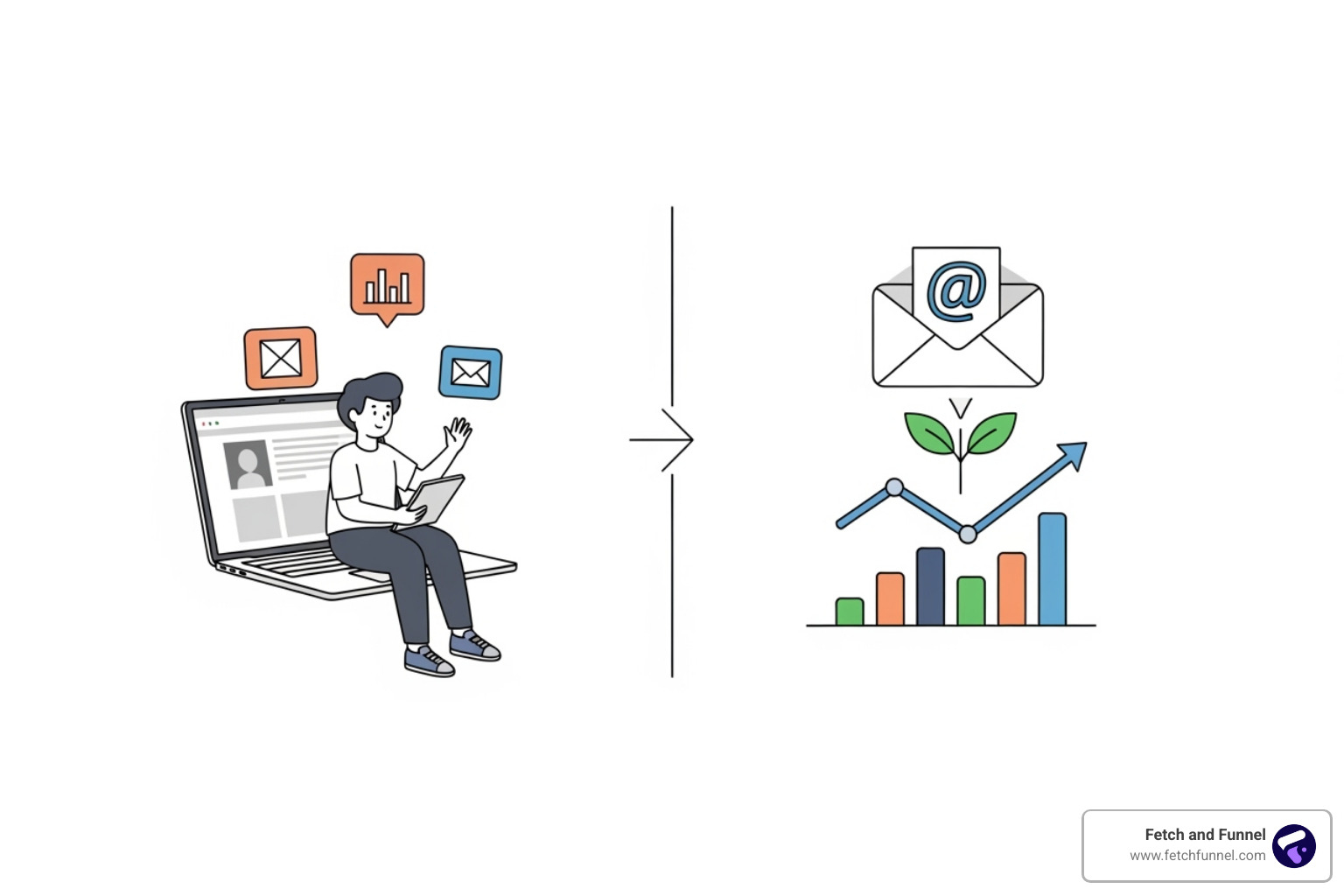
Retargeting and remarketing both reconnect you with people who’ve shown interest in your brand, but they operate in fundamentally different ways. Retargeting is like a friendly reminder that follows anonymous visitors around the internet, while remarketing is more like a personal shopper who uses your purchase history to suggest what you might want next.
Confusing these strategies and tactics leads to wasted budget. When you’re unclear on the audience or goal, you risk using the wrong approach at the wrong time.
Here’s how they compare:
| Feature | Retargeting | Remarketing |
|---|---|---|
| Primary Channel | Paid ads (display, social, search) | Email marketing, SMS, direct mail |
| Target Audience | Anonymous website visitors who haven’t converted | Existing customers and known leads |
| Core Objective | Drive first-time conversions and brand awareness | Increase customer lifetime value and loyalty |
| Data Source | Cookies, pixels, website behavior | CRM data, customer lists, purchase history |
| Relationship Stage | Prospects (no relationship yet) | Established customers (known relationship) |
What is Retargeting?
Retargeting focuses on visitors who land on your site, browse, and then leave without converting. It uses paid ads to target these anonymous visitors.
The system runs on cookie-based tracking via pixels (small pieces of code) on your site. When someone visits, the pixel drops an anonymous cookie on their browser. This cookie doesn’t reveal personal identity but marks them as a past visitor.
As they browse other sites or social media, ad networks like the Google Display Network and Meta Ads recognize the cookie and show your ads. This strategic audience building keeps your brand awareness high and is a powerful tool for lead generation. Since most buyers don’t purchase on their first visit, retargeting gives you multiple chances to win them over. You can learn more about maximizing this strategy with Facebook Pixel Retargeting techniques.
What is Remarketing?
Remarketing nurtures relationships you’ve already built. Instead of chasing anonymous visitors, it uses email marketing to engage existing customers and known leads from your CRM data and customer lists. For a deeper dive on this, resources from platforms like HubSpot can be very insightful.
This approach is highly personal. You can craft targeted messages based on purchase history, browsing behavior, and customer preferences. The goal shifts from a first conversion to upselling, cross-selling, and building long-term customer retention.
Remarketing is ideal for win-back campaigns, new buyer onboarding, or loyalty programs. Because you already have a relationship, you can create relevant experiences that feel like helpful recommendations rather than marketing. Segmented email campaigns see significantly higher engagement because they leverage established trust. To see how remarketing fits into your broader strategy, check out our guide to Define Lead Nurturing.
How Retargeting Works: Turning Website Visitors into Customers
Ever wonder how an ad for a product you viewed follows you online? That’s retargeting. It’s a sophisticated process that helps brands stay connected with interested visitors.
When someone visits your website, a small piece of code called a tracking pixel is activated. This pixel places an anonymous cookie on their browser, essentially an invisible name tag that identifies them as a past visitor without collecting personal information.
As that visitor browses the internet, ad networks like the Google Display Network and Meta Ads recognize this cookie and display your ads. This allows you to build highly targeted audience segments based on user behavior, such as pages visited or time spent on site.
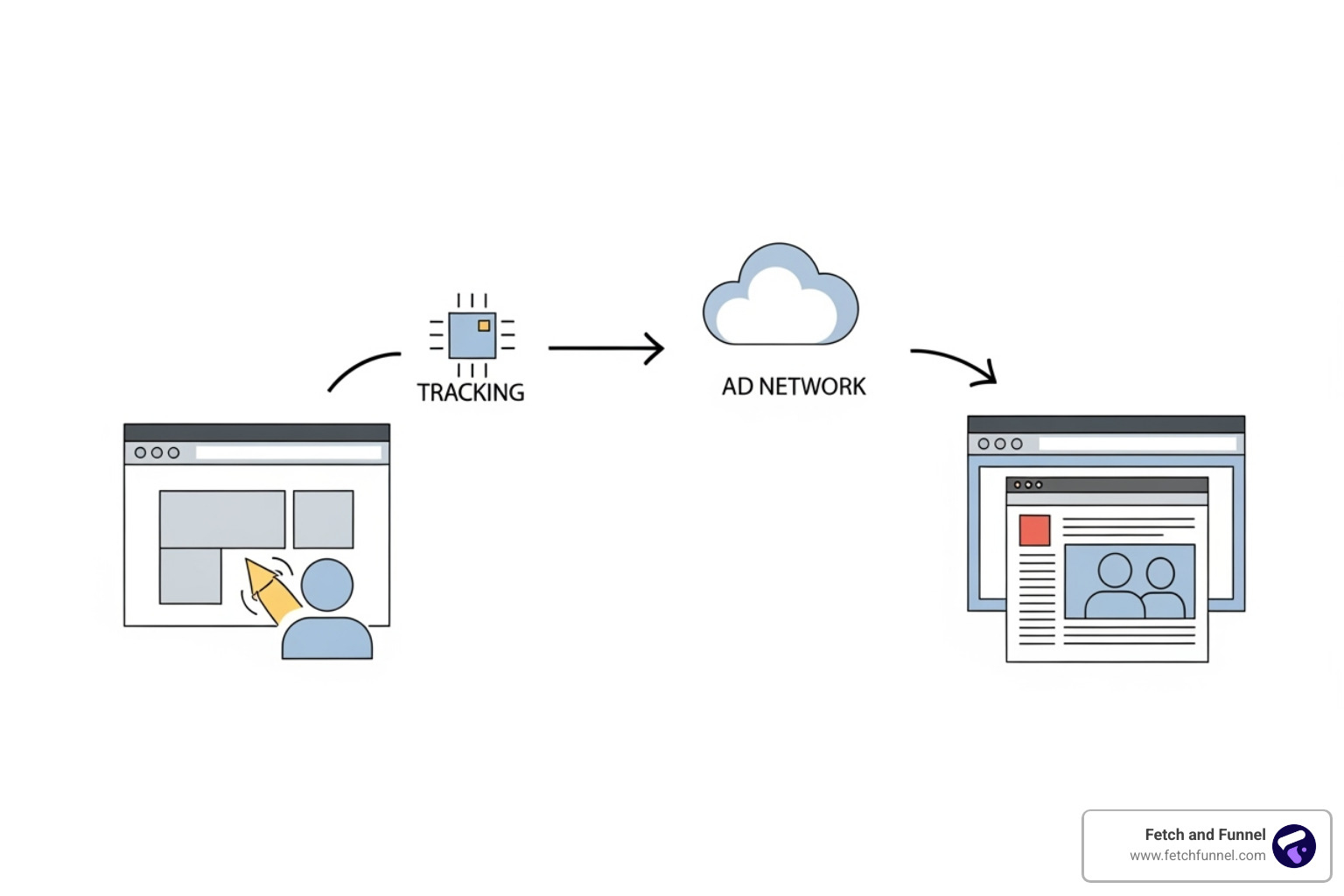
This process lets you tailor your messaging to a user’s specific interests. For businesses looking to master this on social platforms, our guide on Facebook Pixel Retargeting dives deep into the specifics.
Common Retargeting Use Cases and Strategies
Retargeting is a versatile tool. Here are some of the most effective ways to use it:
- Cart abandonment: Over 75% of online shopping carts are abandoned. Retargeting allows you to remind these high-intent shoppers about the items they left behind, often with a small discount to encourage purchase.
- Dynamic product ads: Instead of generic ads, you can automatically show the specific products a visitor viewed. This personalization at scale, a specialty of platforms like Criteo, is highly effective.
- B2B lead nurturing: Business sales cycles can be long and involve multiple decision-makers. Retargeting keeps your solution top-of-mind throughout this process, delivering relevant messages to different stakeholders.
- Pricing page visitors: People who view your pricing page are clearly considering a purchase. You can retarget them with case studies, testimonials, or limited-time offers to close the deal.
The key is to meet people where they are in their buyer’s journey with relevant content. Our approach to Customer Journey Retargeting focuses on creating these meaningful touchpoints.
Benefits and Drawbacks of Retargeting
Retargeting offers incredible advantages but also has challenges to manage.
Benefits:
- High ROI: It’s cheaper to convert a warm lead than a cold one. Well-executed retargeting campaigns can achieve significantly higher conversion rates than standard display ads.
- Brand Recall: A comScore study found retargeting led to a 1046% increase in branded search. It builds familiarity even if users don’t click immediately.
- Targeting Precision: You’re reaching people who have already engaged with your brand, making your ad spend more efficient.
Drawbacks:
- Ad Fatigue: Seeing the same ad too often can annoy users and harm your brand. Frequency capping and creative rotation are essential to avoid this.
- Limited Audience Size: Your retargeting pool is limited to your website traffic. Low traffic means a small audience.
- Privacy Concerns: While anonymous, some users find the practice intrusive. Transparency and respecting user choice are crucial.
Successful retargeting balances persistence with respect. Learn how to create campaigns people appreciate with our guide on Creative Retargeting Ads.
How Remarketing Works: Re-engaging Your Existing Audience
While retargeting focuses on anonymous visitors, remarketing is about nurturing relationships with people who already know your brand. It’s built on customer data you’ve collected directly.
Remarketing uses information from your CRM, such as email addresses, purchase histories, and logged-in user behavior. This data allows you to segment your audience into highly specific groups, like recent buyers, inactive subscribers, or VIP customers. This email segmentation is key to crafting personal and relevant messages.
Once segmented, you can upload these customer lists to email platforms or ad networks for list-based targeting. Better yet, marketing automation can handle the heavy lifting.
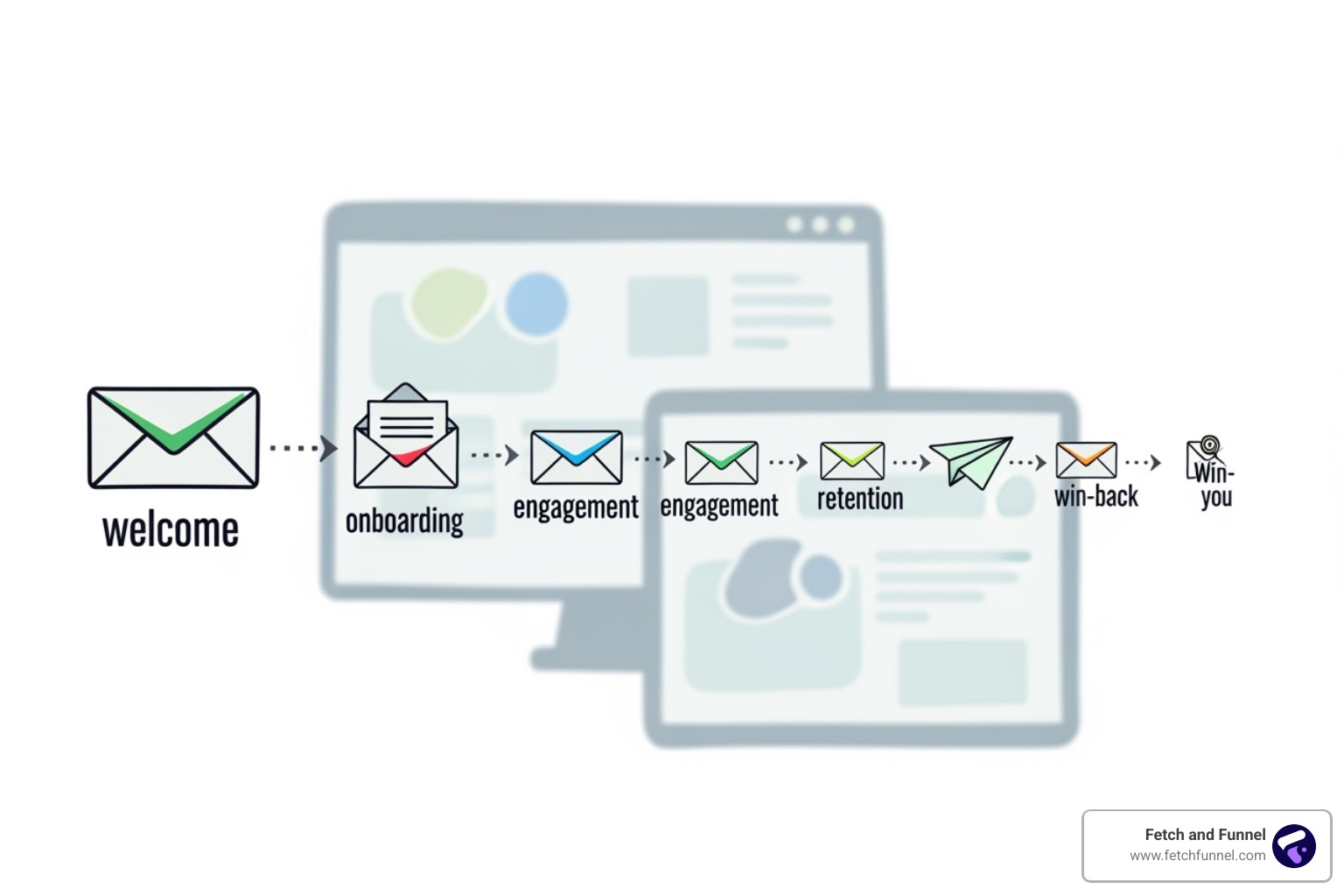
For example, a new purchase can trigger a welcome email sequence, while a 90-day lapse in activity can trigger a “we miss you” campaign with a special offer. It’s like having an attentive sales assistant who remembers every customer’s preferences. We’re even exploring AI Reactivation Campaigns to make this personalization more sophisticated.
Common Remarketing Use Cases and Strategies
Remarketing excels at maximizing the value of your existing customer base. Common strategies include:
- Win-back campaigns: Re-engage inactive customers with thoughtful reminders and exclusive offers to bring them back.
- Upselling and cross-selling: Since you know their purchase history, you can suggest relevant add-ons or upgrades. E-commerce platforms like Klaviyo offer excellent guides on this strategy. Returning customers are often more likely to buy than first-time visitors.
- Loyalty programs: Identify your most valuable customers and reward them with exclusive perks like early access to sales or personalized recommendations.
- Onboarding sequences: Guide new customers through their purchase to increase satisfaction and reduce buyer’s remorse. These automated flows can share tips and introduce complementary products.
For more ideas, explore our Lead Nurturing Examples.
Benefits and Drawbacks of Remarketing
Remarketing offers powerful benefits but requires careful management.
Benefits:
- Increased Customer Lifetime Value (CLTV): Encouraging repeat purchases, upsells, and cross-sells directly boosts the total revenue from each customer.
- Customer Loyalty and Retention: Personalized communication makes customers feel valued, strengthening relationships and reducing churn.
- Cost-Effectiveness: Email marketing, a primary remarketing channel, offers a high ROI. According to Mailchimp, segmented email campaigns have a 100.95% higher click rate than non-segmented campaigns.
Drawbacks:
- Limited Audience Size: Your reach is constrained by the size of your customer database or email list.
- Data Management: Effective remarketing requires clean, organized, and up-to-date customer data, which means investing in a good CRM and data hygiene.
- Intrusiveness: Bombarding customers with irrelevant emails can backfire. The line between helpful and annoying is thin.
Mastering a well-rounded approach is key. Learn more about Data-Driven Customer Engagement.
A Strategic Approach to Retargeting and Remarketing
So, which strategy is right for your business? It’s rarely an either-or decision. The most successful brands use retargeting and remarketing together. Retargeting welcomes back visitors who weren’t ready to buy, while remarketing nurtures existing customers to encourage loyalty and repeat purchases.
The key is a strategic approach that aligns with your business goals, budget, and tools, all guided by data. Without proper tracking, even the best campaigns can fail.
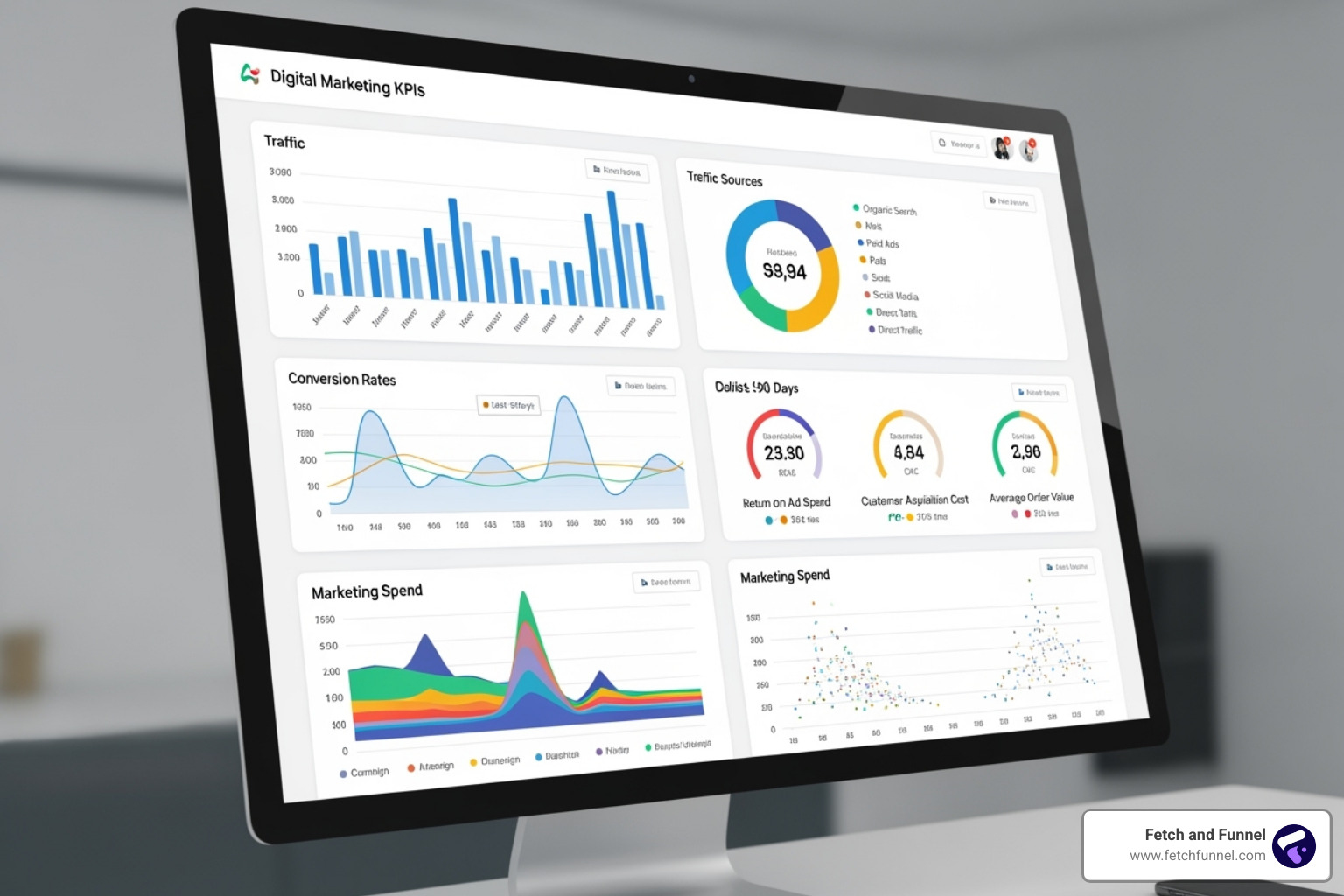
Letting data guide every decision allows you to optimize your marketing spend for maximum impact. This philosophy is at the heart of our Data-Driven Ad Strategies.
Choosing the Right Strategy for Your Business
Your choice depends on where your biggest opportunities lie. Retargeting shines for acquisition, turning window shoppers into first-time buyers. It’s perfect for e-commerce brands tackling cart abandonment or B2B companies nurturing long-cycle prospects.
Remarketing is your go-to for retention. It boosts customer loyalty, encourages repeat purchases, and maximizes lifetime value. It’s especially powerful for subscription services or businesses with consumable products.
The real magic is in full-funnel marketing, using both together. Retargeting guides prospects toward their first purchase. Once they become customers, remarketing takes over to build a long-term relationship. This integrated approach is crucial for complex B2B sales cycles involving multiple stakeholders. Your budget allocation should reflect your priorities; if you’re driving new traffic, you need retargeting. If the budget is tight, email-based remarketing is highly cost-effective. We specialize in this comprehensive approach at our Full Funnel Marketing Agency.
Essential Tools and Platforms for Effective Retargeting and Remarketing
Success depends on the right tech stack.
For Retargeting: Paid ad platforms are key. Google Ads reaches users across the Google Display Network and YouTube. Meta Ads Manager is essential for Facebook and Instagram, where visual ads excel. For B2B, LinkedIn Ads allows for targeting based on professional criteria. Get started with our Facebook Ads Manager guide.
For Remarketing: Your email marketing software (e.g., Mailchimp, HubSpot) is your command center, requiring robust segmentation and automation. Your CRM platforms are the foundation, housing all customer data. A strong Lead Nurturing CRM can make all the difference.
Measuring Success: Key KPIs to Track
Track these metrics to measure what matters:
- Conversion Rate: The percentage of users who complete a desired action. This shows if your messaging and landing pages are effective.
- Click-Through Rate (CTR): Shows how compelling your ad creative or email is. Higher CTRs in retargeting and segmented remarketing campaigns are a sign of relevance.
- Cost Per Acquisition (CPA): Measures your efficiency. CPA should be lower for these warm audiences compared to cold traffic campaigns.
- Return On Ad Spend (ROAS): The ultimate profitability metric. We aim for at least a 2x ROAS. Learn more with our guide to Facebook Ads Return on Investment.
- Customer Lifetime Value (CLTV): Crucial for remarketing, this metric tracks the total value a customer brings over their entire relationship with your brand.
Best Practices and Privacy Compliance
Successful retargeting and remarketing require strategic implementation that respects audience privacy. The digital landscape has evolved, and today’s best practices ensure your campaigns are both high-impact and compliant with regulations like GDPR and CCPA.

This involves careful audience segmentation, rigorous A/B testing, and compelling ad creative, all while adhering to user consent and data protection laws. These principles are covered in our guide to Conversion Rate Optimization Best Practices.
Implementing High-Impact Campaigns
To make your campaigns truly shine, use these proven techniques:
- Frequency Capping: This prevents ad fatigue by limiting how often a user sees your ad. We test to find the sweet spot, ensuring your brand remains helpful, not annoying.
- Dynamic Creative: Instead of static ads, dynamic ads automatically show products a user has viewed. This hyper-personalization boosts relevance and conversion rates. Outdoor retailer Campmor saw a 300% higher CTR with this method.
- Ad Sequencing: Tell a story with a series of ads that guide users through their buying journey, from awareness to a final offer. This builds trust over time.
- Audience Segmentation: Create granular segments based on behavior like time spent on site, pages visited, or actions taken (e.g., cart abandoners vs. demo sign-ups). The more specific the segment, the more effective the message.
- A/B Testing: Constantly test headlines, images, calls-to-action, and offers to find what resonates most with your audience.
- B2B Stakeholder Targeting: Tailor ads to different decision-makers. A CFO needs to see ROI, while a CTO cares about technical specs. This ensures your message is relevant to each stakeholder.
These strategies are core to our Best Retargeting Practices and Retargeting Audience Segmentation methodologies.
Navigating Privacy in a Cookieless World
The deprecation of third-party cookies and stricter privacy laws require a more thoughtful approach.
- User Consent: Implement clear cookie banners that give users transparent choices about data collection. This builds trust.
- Privacy Policy: Maintain a comprehensive and understandable privacy policy that explains how user data is handled.
- First-Party Data: Focus on data you collect directly from customers (e.g., email sign-ups, purchase history). This data is a valuable asset that you own and control.
- Server-Side Tracking: As browsers become more restrictive, server-side tracking offers a more reliable way to send data to ad platforms, maintaining campaign effectiveness.
- Data Minimization: Collect only the data you need for your marketing objectives to reduce risk and simplify compliance.
Staying current with privacy changes is crucial. Our team continuously monitors new regulations and platform updates, like those detailed in our guide iOS 14 Facebook Ads: What to Do, to ensure our strategies remain compliant and effective.
Conclusion
We’ve explored the distinct worlds of retargeting and remarketing, clarifying the confusion that often trips up marketers. These aren’t interchangeable buzzwords; they are two unique powerhouses for your marketing strategy.
To summarize:
- Retargeting is your tool for customer acquisition, using paid ads to bring back anonymous visitors who showed interest but didn’t convert.
- Remarketing is your champion for customer retention, using email and other direct channels to nurture existing relationships and drive loyalty.
The most effective approach is not “either/or” but “both/and.” A full-funnel strategy uses retargeting to fill the top of the funnel and remarketing to maximize the value of customers already in it. This creates a powerful system for sustainable, profitable growth.
At Fetch and Funnel, we build these integrated strategies that guide customers through their entire journey, from first click to loyal advocate. By combining retargeting and remarketing, you create a safety net for your marketing, ensuring no potential revenue slips through the cracks.
Mastering both will help you build a comprehensive strategy that attracts new leads and maximizes the value of every customer relationship. Learn more about optimizing your Customer Journey Retargeting.


